



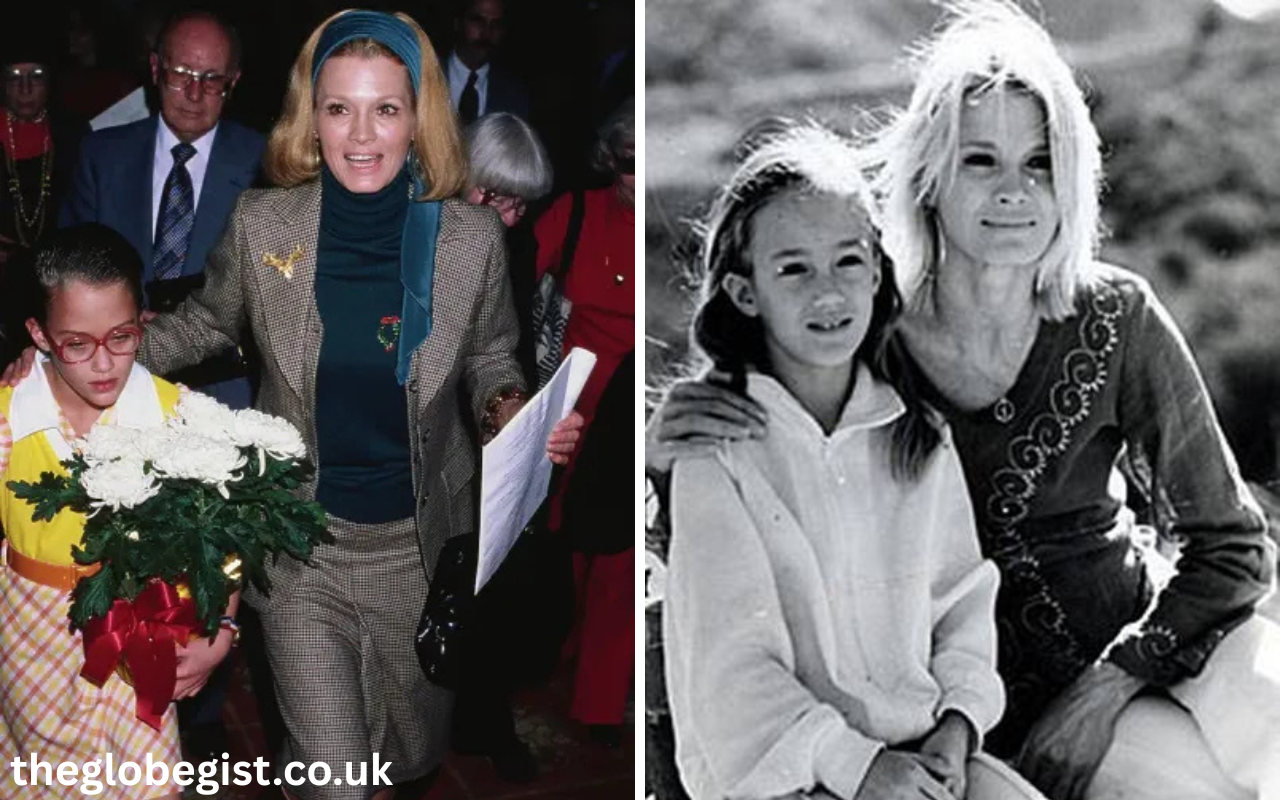
Nikki Bacharach – A Deep Look Into Her Life, Struggles, and Lasting Legacy
Nikki Bacharach was born into a world of fame and attention as the only biological daughter of legendary composer Burt Bacharach and acclaimed actress Angie Dickinson. From the beginning, her life was surrounded by public curiosity due to her parents’ high-profile careers in music and Hollywood. However, behind the glamour, her early life was shaped more by medical challenges than celebrity influence.
She was born prematurely, which led to a number of developmental and physical complications. These early health issues required ongoing medical care and significantly influenced her upbringing. While many children experience a carefree start, Nikki’s early years were instead filled with hospital visits, treatments, and careful supervision.
Despite these difficulties, she was deeply loved by both parents. Her family background gave her access to resources and care, but it also placed her under constant emotional pressure as her condition required long-term attention and adjustment from everyone around her.
Childhood Health Challenges and Developmental Struggles
As Nikki Bacharach grew older, it became clear that her challenges were more complex than initially understood. She experienced significant vision impairment, which made everyday activities and education more difficult. This condition was linked to complications from her premature birth and remained a lifelong issue.
In addition to her visual difficulties, Nikki showed signs of developmental differences that affected her communication and social interaction. At a time when awareness of neurodevelopmental conditions was still limited, her struggles were often misunderstood or difficult to categorize properly.
Her early life was marked by constant medical evaluations and attempts to find effective support. Although she showed moments of progress, her condition required continuous care, which shaped her childhood experience in a way that was very different from most children her age.
Diagnosis of Asperger’s Syndrome and Its Impact
Later in life, Nikki Bacharach was diagnosed with Asperger’s syndrome, a condition on the autism spectrum that affects social behavior, communication, and sensory processing. This diagnosis helped explain many of the difficulties she had faced since childhood, though it came at a time when treatment options were still limited.
Living with Asperger’s meant that everyday social interactions were often overwhelming for her. She struggled with routine communication, emotional expression, and adapting to environments that were not designed for individuals with neurodivergent conditions.
Despite these challenges, Nikki was intellectually capable and had interests in academic subjects. However, the lack of widespread understanding of autism spectrum disorders during her lifetime meant that appropriate long-term strategies and support systems were not as developed as they are today.
Education, Interests, and Personal Growth
Nikki Bacharach’s educational journey reflected both her potential and her limitations. She was known to have a strong interest in subjects like science and geology, showing curiosity about the natural world. These interests gave her moments of focus and personal engagement despite her struggles.
However, her visual impairment and sensory difficulties made traditional learning environments challenging. Reading, writing, and structured classroom settings were often difficult for her to navigate without special support, which was not always readily available at the time.
Even with these obstacles, she continued to learn and explore her interests in her own way. Her intellectual curiosity remained an important part of her identity, even if her circumstances prevented her from following a conventional academic or professional path.
Mental Health Challenges and Long-Term Care
As Nikki grew into adulthood, her mental health became an increasingly important aspect of her life story. She experienced periods of emotional distress, which were compounded by her developmental condition and sensory sensitivities. These struggles often required structured care and supervision.
Over time, she spent extended periods in treatment facilities designed to support individuals with complex psychological and neurological needs. These environments provided stability, but they also reflected the seriousness of her ongoing challenges.
Her life during these years was marked by a constant effort to manage emotional well-being while coping with long-term conditions. This period was especially difficult for both Nikki and her family, as they tried to balance care, independence, and emotional support.
Relationship with Burt Bacharach and Angie Dickinson
Nikki Bacharach’s relationship with her parents was deeply emotional and complex. Burt Bacharach, one of the most influential composers of his time, often had a demanding career that kept him in the public eye. Despite this, he remained connected to his daughter’s life and well-being.
Angie Dickinson, a celebrated actress, is often described as playing a more direct caregiving role in Nikki’s daily life. She made significant personal and professional sacrifices to support her daughter through years of medical and emotional challenges.
Although their family faced emotional strain, both parents shared a deep concern for Nikki’s condition. Their relationship with her was defined by love, responsibility, and the difficulty of navigating a long-term health situation that affected the entire family.
Later Life Struggles and Emotional Journey
In her later years, Nikki Bacharach lived a life that was largely private and away from public attention. While she remained connected to her family, her condition limited her ability to live independently or pursue long-term personal goals.
Her emotional struggles became more pronounced over time, influenced by both her neurological condition and the challenges of living with long-term impairments. These difficulties often made daily life overwhelming and isolating.
Despite ongoing care and support, her situation reflected the complexity of managing lifelong developmental and mental health conditions. Her journey highlights how deeply such challenges can affect personal identity, independence, and emotional stability.
Death of Nikki Bacharach and Its Aftermath
Nikki Bacharach passed away in January 2007 at the age of 40. Her death was ruled as suicide, following years of mental health struggles and long-term challenges associated with Asperger’s syndrome and depression.
Her passing brought deep sorrow to her family and drew attention to the importance of mental health awareness. It also highlighted the need for stronger support systems for individuals facing neurodevelopmental and psychological conditions.
The aftermath of her death was marked by public reflection on her life and the difficulties she endured. It also brought renewed attention to the emotional impact such conditions can have not only on individuals but also on their families.
Read More: Abby McGrew: Complete Biography, Life Story, Family, Career, and Philanthropy
Legacy and Awareness Inspired by Nikki Bacharach
Nikki Bacharach’s life story continues to be remembered as part of a broader conversation about autism, mental health, and family care. While she did not live a public or celebrity-driven life, her experiences have contributed to awareness of the challenges faced by individuals with Asperger’s syndrome.
Her story emphasizes the importance of early diagnosis, emotional support, and accessible care systems. It also highlights how misunderstood neurodevelopmental conditions can deeply affect a person’s quality of life when support structures are limited.
Today, Nikki is remembered not only as the daughter of Burt Bacharach and Angie Dickinson but also as a reminder of the human side of mental health struggles. Her legacy continues to encourage compassion, understanding, and improved awareness of complex psychological conditions.