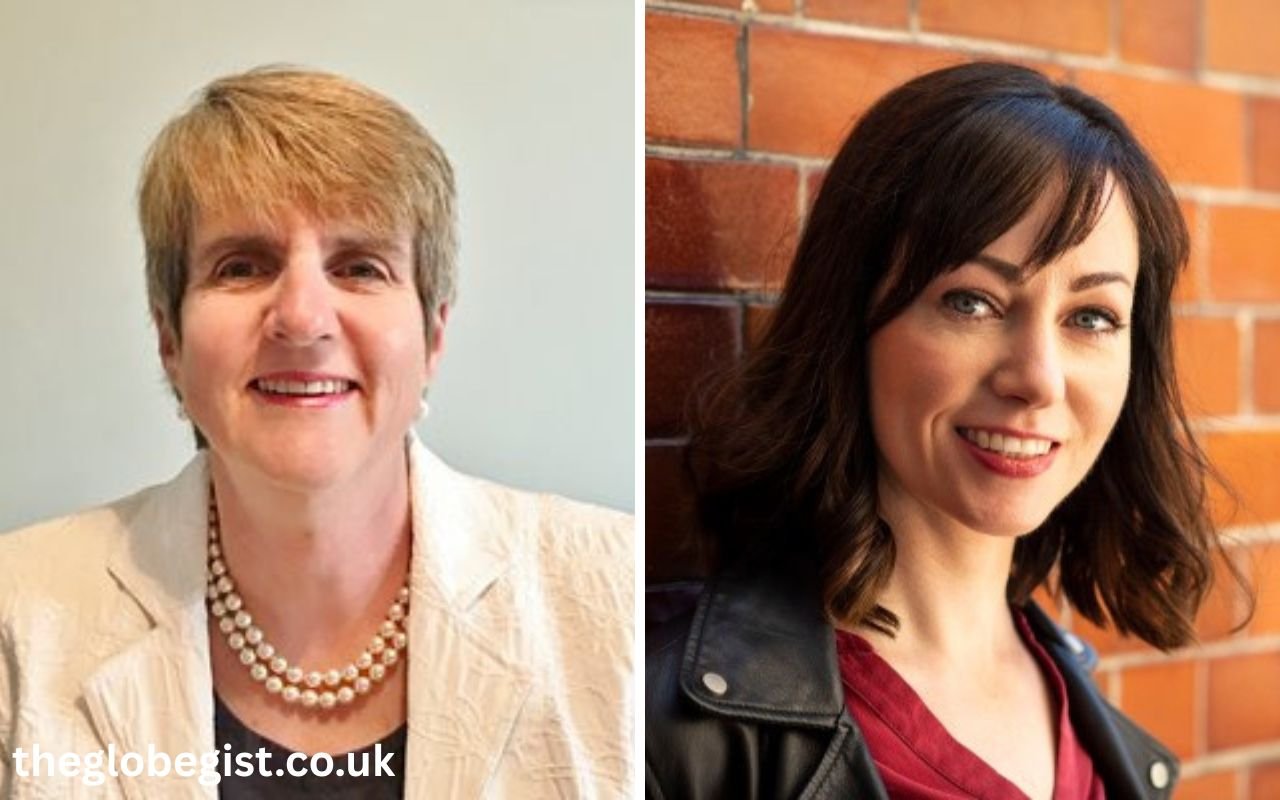




Alison Butler: Life, Research Contributions, and Legacy in Bioinorganic Chemistry
Alison Butler is an American chemist widely recognized for her pioneering contributions to bioinorganic chemistry and marine chemical biology. She is a Distinguished Professor at the University of California, Santa Barbara, where she has built a long-standing academic career focused on understanding how metals function in biological systems. Her research has helped uncover essential mechanisms that govern microbial survival and environmental chemical processes.
She is especially known for studying how microorganisms acquire and use metals such as iron and vanadium. These metals play crucial roles in enzymatic reactions, cellular functions, and ecological systems. Her work has bridged chemistry and biology, offering new insights into the molecular foundations of life in marine and microbial environments.
Over the years, Alison Butler has become an influential figure in modern chemistry, contributing not only through her research but also through mentorship, teaching, and leadership in the scientific community. Her academic influence extends across environmental chemistry, inorganic chemistry, and biological chemistry.
Early Life and Educational Background
Alison Butler began her academic journey with a strong interest in science, which eventually led her toward chemistry. She completed her undergraduate studies at Reed College, a liberal arts institution known for its rigorous academic environment. During this time, she developed a growing fascination with chemical processes and biological systems.
She later pursued her Ph.D. in Chemistry at the University of California, San Diego, where she completed advanced research in inorganic chemistry. Her doctoral studies allowed her to explore transition metals and their chemical behavior, laying the foundation for her future specialization in bioinorganic chemistry.
After earning her doctorate, she continued her academic development through postdoctoral research at prestigious institutions, including UCLA and the California Institute of Technology. These experiences deepened her expertise in metal-based chemistry and helped shape her long-term research direction in biological systems.
Academic Career at the University of California, Santa Barbara
Alison Butler joined the faculty of the University of California, Santa Barbara in the mid-1980s, marking the beginning of a distinguished academic career. Over time, she advanced through the academic ranks and became a full professor, eventually earning the title of Distinguished Professor in Chemistry and Biochemistry.
At UCSB, she has played a central role in developing research programs focused on bioinorganic and environmental chemistry. Her laboratory has become a hub for studying metal-ligand interactions in biological systems, attracting students and researchers from around the world.
Her academic career is also defined by leadership and service within the university. She has contributed to departmental growth, curriculum development, and the promotion of interdisciplinary research that connects chemistry with biology and environmental science.
Research in Bioinorganic Chemistry
Alison Butler’s research focuses on bioinorganic chemistry, a field that examines how metal ions interact with biological molecules. Her studies aim to understand how organisms utilize metals for survival, growth, and biochemical reactions. This includes exploring how enzymes depend on metals to catalyze essential processes.
Her work has significantly advanced knowledge of microbial metal acquisition systems. She investigates how bacteria and other microorganisms survive in metal-limited environments by developing specialized molecules that capture and transport essential metals.
Through her research, she has contributed to a deeper understanding of the role metals play in ecosystems, particularly in marine environments where nutrient availability is limited and biological adaptation is critical.
Siderophores and Microbial Iron Acquisition
One of Alison Butler’s most important research areas involves siderophores, which are small, high-affinity molecules produced by microbes to bind and transport iron. Iron is essential for many biological processes but is often scarce in natural environments, especially in ocean systems.
Her studies have explored how siderophores are synthesized and how they function at a molecular level. She has helped explain how microorganisms compete for iron in complex ecosystems, revealing intricate biochemical strategies used for survival.
This research has broad implications for environmental chemistry, microbiology, and even medical science, as understanding iron acquisition pathways can inform antibiotic development and microbial control strategies.
Vanadium Haloperoxidases and Marine Chemistry
Another key area of Alison Butler’s research is the study of vanadium-dependent haloperoxidases, enzymes found in marine organisms. These enzymes use vanadium to catalyze halogenation reactions, which play important roles in marine chemical processes.
Her work has helped uncover how these enzymes function and how they contribute to chemical transformations in ocean environments. This research has expanded scientific understanding of how marine organisms interact with trace metals in seawater.
The study of these enzymes also has potential applications in green chemistry and industrial catalysis, as they offer environmentally friendly pathways for chemical synthesis inspired by natural biological systems.
Scientific Publications and Research Contributions
Alison Butler has published extensively in peer-reviewed scientific journals, contributing a large body of work to the fields of inorganic and bioinorganic chemistry. Her publications are widely cited and have influenced research across chemistry, biology, and environmental science.
Her scientific contributions often focus on metal-ligand interactions, enzyme mechanisms, and microbial chemistry. These studies have provided valuable insights into how life depends on trace metals and how chemical processes shape biological systems.
Through collaborative research efforts, she has also contributed to interdisciplinary studies that connect chemistry with oceanography, microbiology, and environmental science, further expanding the reach of her work.
Awards, Honors, and Professional Recognition
Throughout her career, Alison Butler has received numerous awards recognizing her scientific achievements. She is a member of the National Academy of Sciences, one of the highest honors awarded to scientists in the United States.
She has also been recognized by professional organizations such as the American Chemical Society and the American Association for the Advancement of Science. These honors reflect her significant contributions to chemical research and her influence in the scientific community.
Her awards highlight not only her research excellence but also her leadership in advancing the field of bioinorganic chemistry on both national and international levels.
Teaching, Mentorship, and Academic Influence
In addition to her research, Alison Butler is deeply committed to teaching and mentoring students. At UCSB, she has supervised numerous graduate students and postdoctoral researchers, many of whom have gone on to successful scientific careers.
Her teaching philosophy emphasizes critical thinking, experimental design, and interdisciplinary learning. She encourages students to explore the connections between chemistry and real-world environmental systems, helping them develop strong scientific reasoning skills.
Her mentorship has had a lasting impact on the academic community, shaping the next generation of chemists and researchers in bioinorganic and environmental chemistry.
Read More: Debra Bollman Biography – Career, Viral Fame, Court Reporting Journey, and Personal Life
Legacy and Impact on Modern Chemistry
Alison Butler’s legacy lies in her groundbreaking contributions to understanding how metals influence biological and environmental systems. Her research has transformed the field of bioinorganic chemistry and opened new directions for scientific exploration.
Her work continues to influence studies in microbial chemistry, marine ecosystems, and enzyme catalysis. By revealing how organisms interact with metals at the molecular level, she has helped redefine how scientists understand life in natural environments.
Today, she is regarded as a leading figure in modern chemistry, with a lasting impact that extends across multiple scientific disciplines and continues to inspire ongoing research worldwide.