



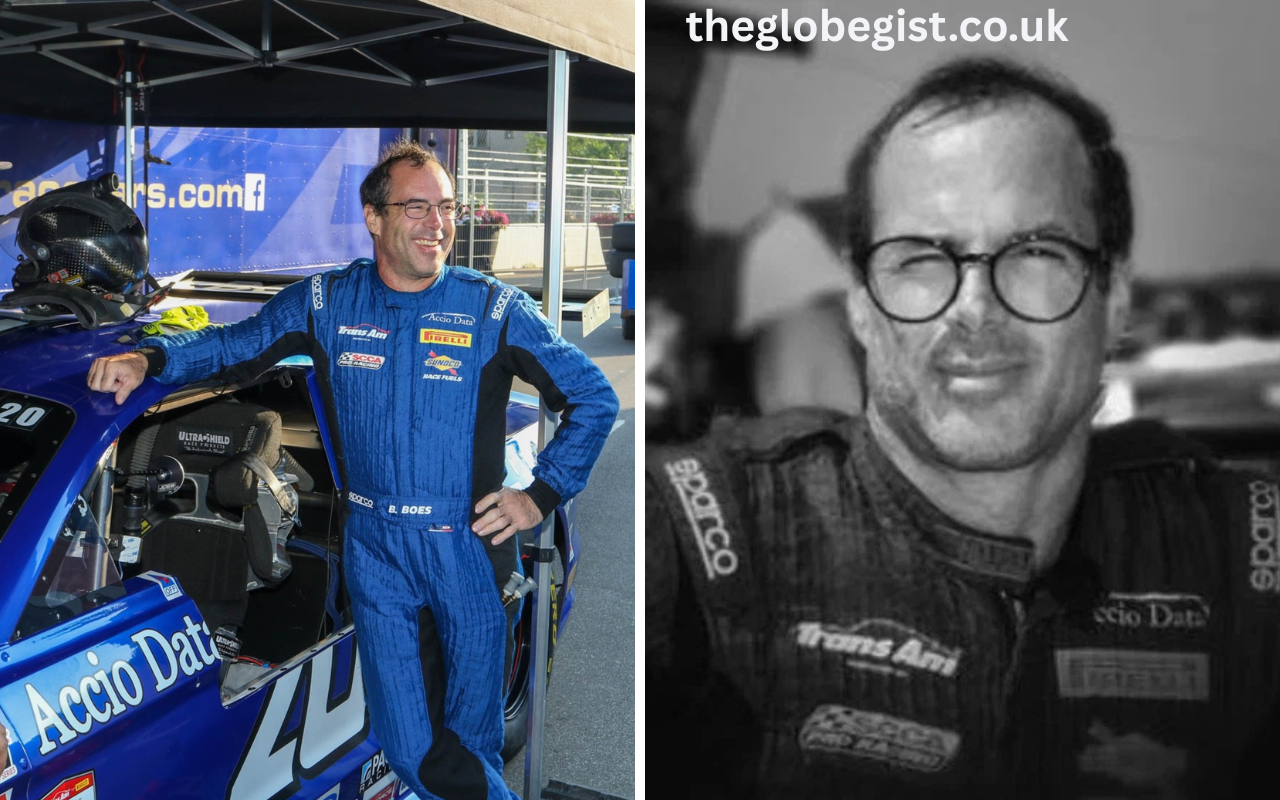
Barry Boes Plane Crash: A Complete and In-Depth SEO Analysis of the Tragic Aviation Incident
The Barry Boes plane crash refers to a tragic aviation incident involving a private aircraft that ended in a fatal outcome for the pilot, Barry Boes. The event gained significant attention due to Boes’ profile as a businessman and racing personality, making the accident widely discussed in both aviation and public media circles.
The crash is often described as a general aviation incident, meaning it involved a privately operated aircraft rather than a commercial airline. Such accidents typically raise important questions about pilot experience, weather conditions, and aircraft performance during flight.
Over time, the Barry Boes plane crash has become a reference point in discussions about aviation safety, especially in relation to high-performance private aircraft and long-distance cross-state flights in the United States.
Who Was Barry Boes and Why the Incident Drew Attention
Barry Boes was known as a businessman with a strong background in technology and motorsports. He was respected in his professional field and also recognized for his involvement in competitive racing events, which gave him visibility beyond the business world.
His dual identity as both an entrepreneur and a racing enthusiast contributed to widespread public interest when news of the crash emerged. People from different industries reacted strongly because of his influence and active professional life.
The attention surrounding the Barry Boes plane crash was amplified because incidents involving well-known individuals often lead to broader discussions about risk, lifestyle, and the importance of aviation safety awareness.
Overview of the Aircraft and Aviation Background
The aircraft involved in the incident was a high-performance single-engine private plane commonly used in personal aviation. These types of aircraft are designed for speed and efficiency but require skilled handling and careful planning during flights.
Private aviation like this is popular among business professionals who travel between states for convenience and time efficiency. However, it also carries higher responsibility for pilots because they operate outside controlled commercial systems.
In the context of the Barry Boes plane crash, the aircraft type is often discussed because performance aircraft can behave differently under changing weather or mechanical stress, making pilot decision-making an important factor.
Timeline of the Flight and Disappearance
The flight began as a routine cross-state journey, with the aircraft departing from Texas and heading toward Tennessee. Initially, the flight appeared normal, and there were no immediate signs of distress reported during departure.
As the flight progressed, communication with the aircraft was lost, which raised concerns among aviation monitoring systems and authorities. This loss of contact marked the beginning of emergency response actions.
The disappearance of the aircraft became the central focus of early reports on the Barry Boes plane crash, as search teams worked to determine the last known position and possible flight path of the plane.
Crash Location and Environmental Challenges
The wreckage was later discovered in a remote wooded region in Arkansas, an area known for dense vegetation and difficult terrain. Such environments often make crash detection and access extremely challenging.
Weather conditions in the region during the time of the incident have been considered as part of early assessments. Sudden weather changes in rural flight corridors can sometimes affect visibility and aircraft stability.
In the Barry Boes plane crash, the remote location played a major role in delaying ground access, as responders had to navigate difficult terrain before reaching the site.
Search and Rescue Operations After the Crash
Search and rescue efforts began shortly after the aircraft was reported missing. Aviation authorities and local law enforcement coordinated aerial searches to locate any possible wreckage or signals.
Helicopters played a key role in identifying the crash site due to the difficulty of reaching the area by land. Once the location was confirmed, ground teams were dispatched to investigate further.
The response to the Barry Boes plane crash highlights how modern search operations rely heavily on combined air and ground coordination, especially in rural and forested regions.
Investigation by Aviation Authorities
Following the discovery of the wreckage, aviation authorities such as the FAA and NTSB began a formal investigation into the cause of the crash. These investigations typically involve a detailed review of flight data, maintenance records, and environmental conditions.
At this stage, investigations focus on reconstructing the final moments of the flight to understand what may have contributed to the accident. This process can take weeks or even months depending on available evidence.
The Barry Boes plane crash investigation remains significant because it may provide insights into general aviation safety improvements and risk prevention strategies for similar aircraft operations.
Public Reaction and Media Coverage
The news of the crash spread quickly, leading to widespread reactions across social media, aviation communities, and motorsports circles. Many people expressed shock due to Boes’ active public presence and professional achievements.
Media coverage focused on both the personal loss and the technical aspects of the crash, reflecting the dual interest in human stories and aviation safety analysis. This combination made the incident widely discussed beyond local news.
The Barry Boes plane crash became not only a news event but also a topic of conversation about the unpredictability of private aviation and the importance of safety awareness.
Aviation Safety Lessons from the Incident
The incident highlights important lessons related to private aviation, including the importance of weather assessment, aircraft maintenance, and pilot preparedness. These factors are critical in reducing risks during flight operations.
Aviation experts often emphasize that high-performance aircraft require advanced training and continuous attention to changing conditions. Even small misjudgments can lead to serious consequences in challenging environments.
In the broader context of the Barry Boes plane crash, the event serves as a reminder of why aviation safety systems, training standards, and emergency response coordination remain essential in modern air travel.
Read More: Bobbye Brooks Oliver: Life Story, Marriage, and Private Journey Away from Hollywood Fame
Conclusion and Ongoing Developments
The Barry Boes plane crash remains under investigation, and final conclusions may take time as authorities continue to analyze all available evidence. Each stage of the investigation adds more clarity to what occurred during the flight.
As more information becomes available, it is expected that aviation safety professionals will use the findings to improve procedures and reduce future risks in general aviation operations.
Ultimately, the incident stands as a tragic reminder of the challenges involved in private flying and the importance of continuous improvement in aviation safety practices worldwide.