


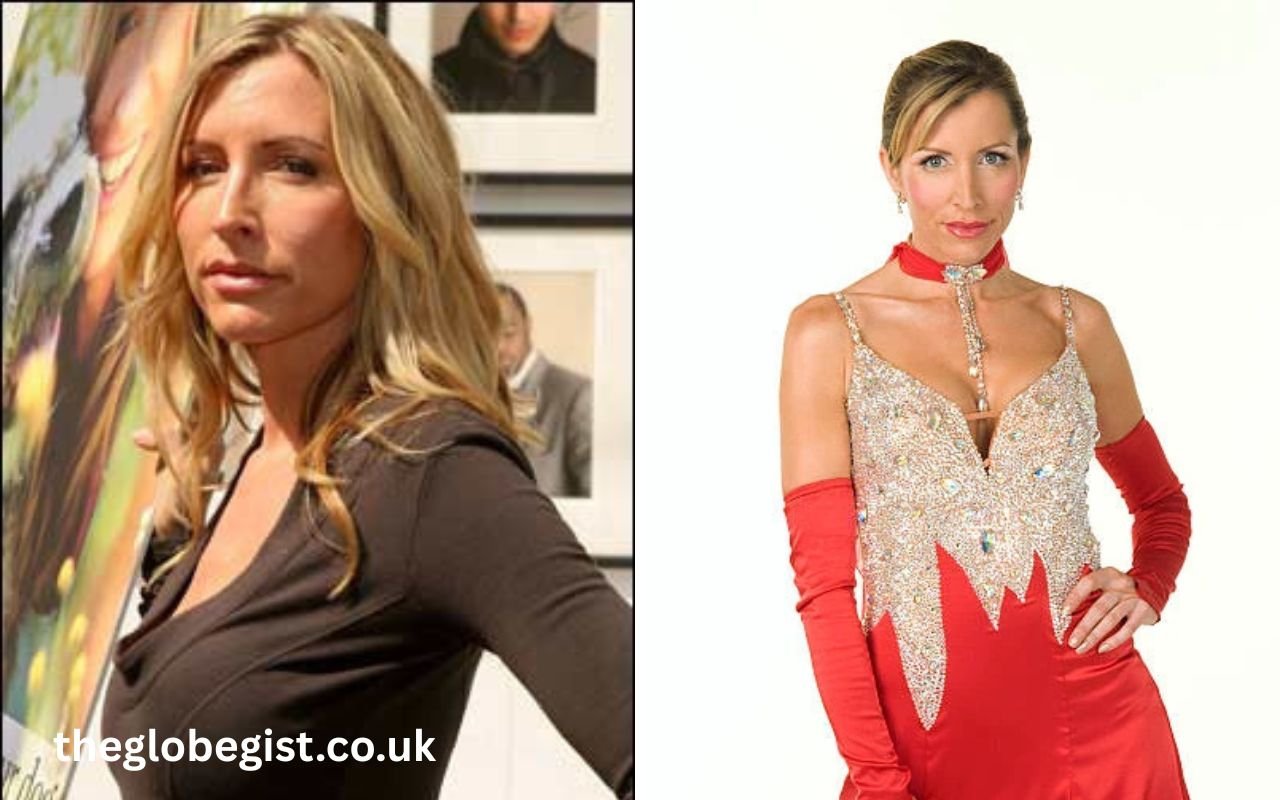
Heather Mills Modelling: The Inspiring Journey of a Model Who Changed Perceptions
The Early Years of Heather Mills and Her Entry Into Modelling
heather mills modelling Heather Mills began her journey long before she became a household name. Born in England in 1968, she experienced a challenging childhood that shaped her strong determination and independent mindset. Like many aspiring models of her era, she entered the fashion world while searching for opportunities that could help her build a successful future.
Her interest in modelling developed during her late teenage years when she started participating in promotional events and beauty-related competitions. These early experiences introduced her to the competitive nature of the fashion industry and helped her gain confidence in front of cameras. The exposure also allowed her to connect with photographers, agencies, and industry professionals who recognized her potential.
As her visibility increased, Heather Mills began securing commercial modelling assignments. Although she was not considered a traditional supermodel, she successfully established herself within commercial fashion circles. Her ambition and willingness to work hard helped her gain opportunities that would eventually shape the next stage of her career.
Building a Modelling Career During the Early 1990s
The early 1990s represented an important period for Heather Mills modelling work. During this time, she pursued opportunities in both the United Kingdom and mainland Europe, particularly in Paris, where fashion and commercial modelling industries were thriving. Working internationally allowed her to expand her experience and develop a broader understanding of the profession.
Modelling during this era required significant dedication. Fashion trends were changing rapidly, and competition among aspiring models was intense. Success depended not only on appearance but also on professionalism, networking abilities, and adaptability. Mills learned how to navigate these challenges while building relationships within the industry.
Her growing experience gave her insight into the realities of modelling behind the scenes. She observed both the opportunities and the limitations faced by models, particularly regarding representation and working conditions. These observations later influenced some of her business interests and her views on how the industry could improve.
ExSell Model Management and Her Business Vision
Heather Mills was not interested in being only a model. She also explored the business side of the fashion industry through her involvement with ExSell Model Management. This venture reflected her entrepreneurial mindset and her desire to create opportunities beyond traditional modelling assignments.
The agency concept was built around the idea that models deserved better representation and support. Mills believed that many aspiring models lacked guidance when entering the profession. Through management and industry involvement, she hoped to create a more supportive environment for emerging talent.
Although the agency did not become a major industry force, it demonstrated her willingness to think beyond conventional career paths. This entrepreneurial approach would later become a defining characteristic of her professional life, influencing her future business ventures and public activities.
The Life-Changing Accident That Altered Her Career
In 1993, Heather Mills experienced a devastating accident that dramatically changed the course of her life. While crossing a road in London, she was struck by a police motorcycle. The collision caused severe injuries that ultimately led to the amputation of her left leg below the knee.
The physical and emotional impact of the accident was enormous. Many people assumed that her modelling career had come to an end because the fashion industry at the time offered very little visibility for individuals with disabilities. The situation presented challenges that extended far beyond her professional ambitions.
Instead of allowing the tragedy to define her future, Mills focused on recovery and adaptation. Her determination became a central theme of her story, inspiring many people who followed her journey. The resilience she displayed during this period would eventually become one of the most recognized aspects of her public image.
Returning to Modelling After Losing a Leg
One of the most remarkable aspects of Heather Mills modelling history is her successful return to public life after her accident. At a time when disability representation in fashion was extremely limited, she refused to abandon her ambitions and continued pursuing opportunities within media and modelling.
Her return challenged widespread assumptions about beauty and physical appearance. Fashion advertising had traditionally promoted narrow standards, but Mills demonstrated that confidence, determination, and professionalism could be equally powerful. Her visibility helped spark conversations about inclusion within the industry.
Many people viewed her comeback as a significant achievement because it showed that disability did not automatically end a modelling career. Today, representation of disabled models is becoming more common, and Heather Mills is often recognized as one of the early public figures who helped encourage that shift.
Media Recognition and Public Attention
As her story gained attention, Heather Mills became much more than a model. Television appearances, interviews, and public speaking engagements introduced her to audiences around the world. People were fascinated not only by her modelling background but also by her determination to overcome adversity.
Her public profile increased significantly after her relationship with Paul McCartney became widely known. Media outlets frequently covered both her personal life and her professional activities, making her one of the most discussed public figures of the early 2000s.
While celebrity attention often overshadowed her modelling achievements, her fashion career remained an important part of her identity. The combination of modelling experience, personal resilience, and public visibility created a unique career path that differed from most fashion personalities.
Disability Representation in the Fashion Industry
The conversation surrounding disability representation has evolved considerably over the past few decades. When Heather Mills returned to modelling, opportunities for disabled individuals in fashion were rare. Industry standards often excluded anyone who did not fit traditional expectations.
By continuing to appear publicly and participate in media projects, Mills contributed to changing perceptions about beauty and capability. Her presence encouraged discussions about accessibility, diversity, and inclusion long before these topics became mainstream priorities within fashion.
Today, major fashion brands increasingly feature models with disabilities in campaigns and runway presentations. While progress remains ongoing, many observers believe that early pioneers such as Heather Mills helped lay the groundwork for a more inclusive industry that recognizes beauty in many different forms.
From Modelling to Advocacy and Humanitarian Work
Following her recovery, Heather Mills became deeply involved in charitable and humanitarian activities. Her personal experience as an amputee inspired her to support individuals facing similar challenges and to advocate for improved access to prosthetic technology.
She also became involved in campaigns related to landmine victims, disability awareness, and humanitarian assistance. Her advocacy work gained international recognition and expanded her influence far beyond the fashion industry. These efforts demonstrated how personal adversity could be transformed into meaningful social impact.
Over time, activism became a central part of her public identity. Although many people initially knew her because of modelling, her charitable work allowed her to build a legacy that extended into areas of health, human rights, and community support.
Heather Mills’ Lasting Influence on Modern Modelling
Read More: Olivia Munn Young: Early Life, Childhood, Career Beginnings, and Rise to Fame
The legacy of Heather Mills modelling career extends beyond photographs and media appearances. Her story illustrates how determination and resilience can redefine expectations in an industry often associated with strict standards and intense competition.
Modern fashion increasingly values diversity, authenticity, and representation. Many of these changes reflect broader cultural shifts, but individuals who challenged existing norms helped accelerate that progress. Mills demonstrated that personal setbacks do not have to prevent professional success.
Her influence continues to resonate because her journey represents more than a modelling career. It is a story about overcoming obstacles, adapting to change, and creating opportunities in circumstances that many people would have considered impossible.
Conclusion
Heather Mills modelling journey remains one of the most distinctive stories in modern fashion history. From her early years as an aspiring model to her return after a life-changing accident, she consistently demonstrated determination and resilience. Her ability to continue working in the public eye challenged conventional ideas about beauty and success.
Beyond modelling, she used her visibility to promote disability awareness, humanitarian causes, and social change. These efforts expanded her impact far beyond the fashion industry and helped establish her as an influential public figure.
Today, interest in Heather Mills modelling career continues because it combines fashion, perseverance, advocacy, and personal transformation. Her story serves as a powerful reminder that true success is often measured not by the obstacles people face, but by how they choose to overcome them.