



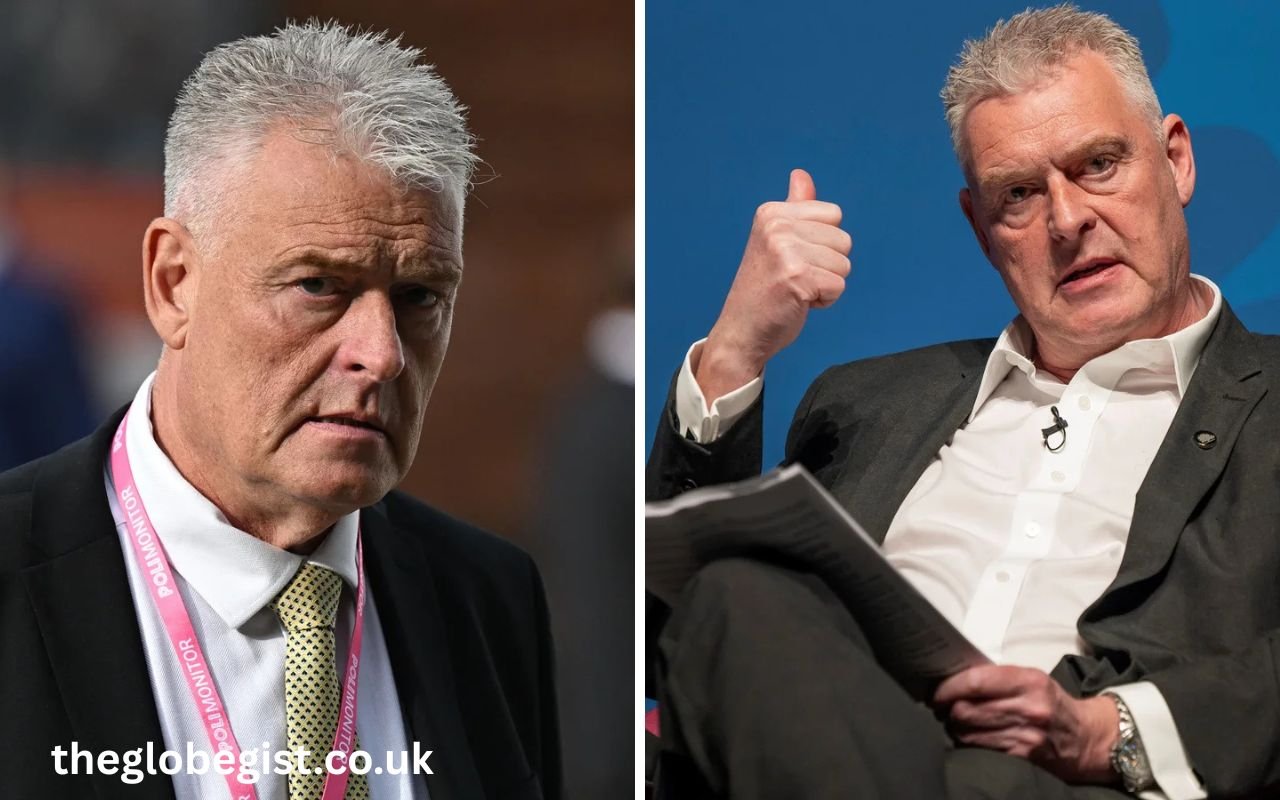
Lee Anderson: The Rise, Political Journey, and Influence of Reform UK’s Straight-Talking MP
Who Is Lee Anderson?
Lee Anderson is one of the most recognizable figures in modern British politics. Best known for his direct communication style and strong opinions on issues such as immigration, welfare, and national identity, he has become a prominent voice within Reform UK. His rise from local politics to national prominence reflects the changing political landscape across many parts of Britain.
Born and raised in Nottinghamshire, Anderson often emphasizes his working-class background when discussing politics. Unlike many career politicians, he frequently highlights his experiences outside Westminster, arguing that they help him understand the concerns of ordinary people. This connection with local communities has become a central part of his political identity.
Over the years, Anderson has attracted both passionate supporters and vocal critics. Supporters view him as authentic and unfiltered, while opponents believe his rhetoric can be divisive. Regardless of opinion, few politicians generate as much public discussion as Lee Anderson, making him an influential figure in contemporary British political debate.
Early Life and Working-Class Roots
Lee Anderson’s upbringing played a major role in shaping his political outlook. Growing up in Nottinghamshire, he experienced firsthand the social and economic challenges faced by many former industrial communities. These experiences continue to influence the policies and priorities he promotes today.
Before entering national politics, Anderson worked in various jobs and spent time involved in community-focused roles. His background differs significantly from the traditional image of a Westminster politician, allowing him to present himself as someone who understands the realities faced by working families.
His connection to working-class communities remains one of his strongest political assets. Throughout his career, he has consistently referenced local concerns such as employment opportunities, rising living costs, community safety, and economic regeneration. These themes continue to resonate strongly with many voters in Ashfield and beyond.
From Labour Councillor to Conservative MP
One of the most remarkable aspects of Lee Anderson’s political career is his journey through different political parties. He originally began his political life as a Labour councillor, reflecting the traditional political alignment of many working-class communities in the Midlands and northern England.
During his years in local government, Anderson focused on community issues and gained practical experience dealing with local concerns. However, political developments surrounding Brexit and questions of national identity increasingly pushed him away from Labour’s direction. Like many voters in former Labour strongholds, he felt the party was becoming disconnected from its traditional support base.
This political shift eventually led him to join the Conservative Party. His move mirrored a broader transformation occurring across the United Kingdom, where many traditional Labour voters began supporting Conservative candidates. Anderson’s personal journey became a symbol of this wider political realignment.
Winning Ashfield and Building a National Profile
The 2019 General Election proved to be a turning point for Lee Anderson. Winning the Ashfield constituency for the Conservatives marked a historic change in an area that had long been associated with Labour support. His victory reflected wider electoral shifts across the so-called Red Wall regions.
Following his election to Parliament, Anderson quickly became one of the most visible Conservative MPs. His blunt speaking style attracted media attention and often generated headlines. While some politicians carefully manage every public statement, Anderson developed a reputation for saying exactly what he thought.
His growing national profile led to increased responsibilities within the Conservative Party. He became known as a politician capable of connecting with voters who felt frustrated by traditional political messaging. This ability helped establish him as an important figure within discussions about the future direction of British conservatism.
Lee Anderson’s Political Views and Core Beliefs
Immigration has consistently been one of the issues most closely associated with Lee Anderson. He has repeatedly argued for stronger border controls and stricter immigration policies, believing these measures are necessary to protect public services and national interests.
Anderson is also known for his views on welfare reform. He frequently advocates policies designed to encourage employment and reduce long-term dependence on state support. According to Anderson, welfare systems should provide assistance while also encouraging personal responsibility and economic participation.
Alongside these positions, he regularly speaks about patriotism, community values, law and order, and national identity. These themes form the foundation of his political philosophy and appeal strongly to voters who believe traditional political parties have failed to address their concerns effectively.
The Move to Reform UK
In 2024, Lee Anderson made headlines across the country when he left the Conservative Party and joined Reform UK. The move was highly significant because it gave Reform UK its first sitting Member of Parliament and increased the party’s visibility within Westminster.
Anderson explained that he felt increasingly frustrated with Conservative leadership and believed Reform UK was better positioned to address issues such as immigration, border security, and political accountability. His decision reflected broader dissatisfaction among some right-leaning voters who wanted stronger action on these topics.
The defection represented more than a simple party switch. It highlighted growing political divisions within British conservatism and demonstrated Reform UK’s increasing influence. For many observers, Anderson’s move signaled that the party could become a more serious force in national politics.
Leadership Role Within Reform UK
After joining Reform UK, Anderson quickly became one of the party’s most prominent figures. He was appointed Chief Whip and became responsible for helping manage parliamentary strategy and party discipline. This role significantly expanded his influence within the organization.
As Reform UK continued to grow, Anderson remained a highly visible spokesperson for many of its key positions. His media appearances, parliamentary interventions, and public speeches helped increase awareness of the party among voters across the country.
Recent developments have further strengthened his standing within Reform UK. He remains one of the most recognized faces associated with the party and continues to play an important role in shaping its public image and political direction.
Controversies That Have Shaped His Public Image
Few modern politicians have generated as many headlines through controversy as Lee Anderson. Throughout his career, various comments and public statements have sparked debate, criticism, and media attention. These incidents have often divided public opinion.
One of the most widely discussed controversies involved remarks concerning London Mayor Sadiq Khan. The comments led to significant criticism and contributed to tensions within the Conservative Party before Anderson eventually left the party altogether.
Additional controversies have involved parliamentary conduct and public disagreements with political opponents. While critics argue these incidents damage political discourse, supporters often claim they demonstrate Anderson’s willingness to speak openly rather than follow conventional political expectations. This tension between authenticity and controversy remains central to his public reputation.
Why Lee Anderson Connects With Many Voters
Read More: Barry Seal’s Wife Today: Where Is Deborah DuBois Now and What Happened After His Death?
A major reason for Anderson’s popularity among supporters is his communication style. Unlike many politicians who rely on carefully crafted language, he often speaks in a straightforward manner that many voters find relatable. This approach has helped him build a loyal following.
Many constituents appreciate his strong local presence and visibility within Ashfield. He frequently presents himself as a representative who prioritizes constituency concerns over Westminster politics. This emphasis on local representation has strengthened his connection with voters.
His appeal is particularly strong among people who feel ignored by political elites. Whether discussing immigration, economic challenges, or community issues, Anderson often frames his arguments around the idea that ordinary people deserve a stronger voice in national decision-making.
The Future of Lee Anderson in British Politics
Lee Anderson’s future remains a subject of considerable interest among political observers. As Reform UK seeks to expand its influence, his experience, visibility, and communication skills position him as one of the party’s most valuable political assets.
The continuing evolution of British politics could create additional opportunities for Anderson to increase his influence. Voter dissatisfaction with traditional political structures has contributed to the growth of alternative parties, and Reform UK continues to benefit from these trends.
Whether admired or criticized, Lee Anderson has become one of the most talked-about politicians in the United Kingdom. His journey from Labour councillor to Conservative MP and then Reform UK leader reflects the dramatic political changes that have transformed Britain in recent years. As debates over immigration, identity, economic opportunity, and political representation continue, Anderson is likely to remain a significant figure in the national conversation for years to come.