



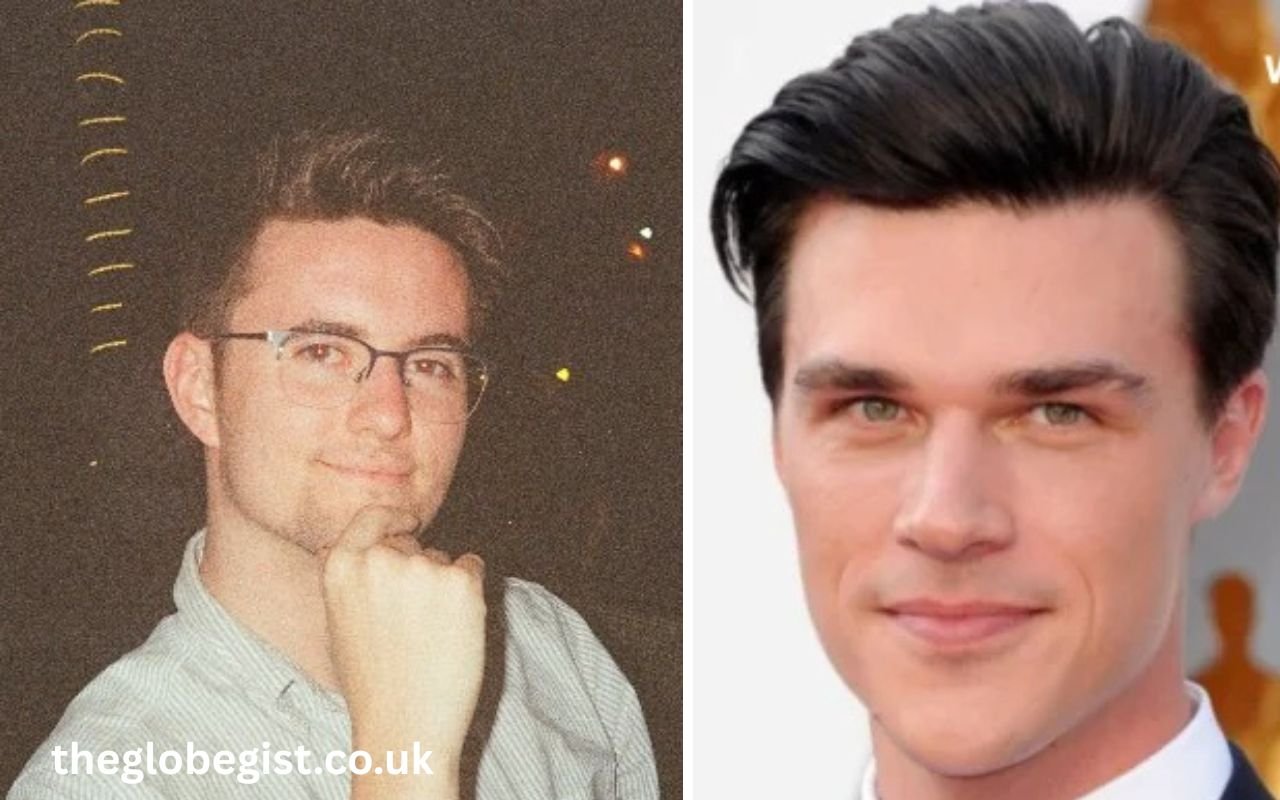
Finn Sinclair: The Visionary Developer Shaping the Future of Virtual Reality and Mixed Reality
Finn Sinclair: The Visionary Developer Shaping the Future of Virtual Reality and Mixed Reality
Meta Description: Discover the inspiring journey of Finn Sinclair, a virtual reality developer and mixed reality innovator known for groundbreaking immersive experiences. Learn about his career, achievements, projects, and influence on the future of spatial computing.
Who Is Finn Sinclair?
Finn Sinclair is widely recognized as a talented software developer whose work has contributed to the advancement of virtual reality, mixed reality, and immersive technology. Over the years, he has become known among technology enthusiasts for his ability to combine creative thinking with technical expertise. His projects showcase how digital experiences can become more interactive, engaging, and meaningful through the use of emerging technologies.
As virtual reality and spatial computing continue to gain attention across industries, professionals like Finn Sinclair have become increasingly important. His career reflects the growing demand for developers who understand not only programming but also human interaction, digital design, and immersive storytelling. This combination of skills has helped him establish a respected presence within the technology community.
Many people searching for information about Finn Sinclair are interested in his role in shaping modern VR experiences. His work demonstrates how innovative developers can influence the direction of an entire industry by creating experiences that challenge traditional ways of learning, exploring, and interacting with digital environments.
Early Interest in Technology and Software Development
Like many successful technology innovators, Finn Sinclair developed an interest in computers and digital experiences at an early stage. Curiosity about how software works often serves as the foundation for future developers, and this passion can eventually lead to groundbreaking projects. His career reflects the importance of experimentation and continuous learning in the rapidly evolving technology landscape.
The software development field requires a combination of logical thinking and creativity. Developers must solve complex technical problems while designing experiences that feel intuitive and enjoyable for users. This balance is especially important in immersive technology, where every interaction contributes to the overall experience.
As technology evolved, opportunities emerged within virtual reality and mixed reality development. Sinclair recognized the potential of these technologies early on and focused on creating experiences that highlight their educational and creative possibilities. His work demonstrates a forward-thinking approach that aligns with the future of digital interaction.
Finn Sinclair and the Rise of Virtual Reality
Virtual reality has transformed from a niche concept into one of the most exciting areas of modern technology. Finn Sinclair became associated with this growing movement through projects that explore the educational and experiential possibilities of VR. His contributions have helped showcase how virtual environments can be used for more than entertainment alone.
One of the key strengths of virtual reality is its ability to create a sense of presence. Users can feel as though they are physically located within a digital space, allowing them to engage with content in ways that traditional screens cannot provide. Developers like Sinclair play a crucial role in making these experiences immersive and realistic.
As VR hardware continues to improve, developers are finding new ways to expand its applications. Training programs, educational simulations, virtual tourism, and artistic experiences are just a few examples of how virtual reality is changing the way people learn and communicate. Sinclair’s work reflects these broader trends within the industry.
The VR Museum of Fine Art and Its Impact
One of Finn Sinclair’s most recognized projects is The VR Museum of Fine Art, a virtual reality experience that allows users to explore famous artworks in an immersive environment. The project gained attention for demonstrating how cultural and educational content can be presented through VR technology. The application enabled users to experience art without many of the limitations found in traditional museums.
The project highlighted a major advantage of virtual reality: accessibility. People from different parts of the world could engage with significant works of art through a digital environment, regardless of their geographic location. This concept opened new possibilities for museums, educational institutions, and cultural organizations interested in reaching broader audiences.
Beyond its educational value, the project demonstrated the technical capabilities of immersive environments. It showed how virtual reality can create meaningful experiences that combine learning, exploration, and interaction. The success of the project helped establish Sinclair as an innovative figure within the VR development community.
Contributions to Mixed Reality Innovation
Mixed reality represents the next stage in immersive computing by blending physical and digital worlds. Unlike traditional virtual reality, mixed reality allows digital content to interact with the user’s real-world environment. This technology has become increasingly important across industries ranging from healthcare to engineering and education.
Finn Sinclair has been associated with mixed reality development and educational efforts that help developers understand emerging technologies. His work reflects the growing importance of creating experiences that feel natural and intuitive rather than purely experimental. This user-centered approach is a key factor in the success of modern immersive applications.
As organizations invest heavily in spatial computing and extended reality solutions, mixed reality developers are becoming highly valuable. Professionals with expertise in this field help create systems that improve productivity, collaboration, and learning. Sinclair’s involvement in these areas reflects his commitment to advancing the future of human-computer interaction.
Technical Skills and Development Philosophy
Successful immersive technology projects require expertise across multiple disciplines. Developers must understand software engineering, three-dimensional design, optimization techniques, user experience principles, and interactive systems. Finn Sinclair’s work reflects the multidisciplinary nature of modern technology development.
A strong development philosophy often separates great developers from average ones. Rather than focusing solely on technical achievements, innovative creators prioritize user needs and real-world applications. This perspective allows technology to become more accessible and useful to a wider audience.
The ability to adapt to new technologies is equally important. The technology industry changes rapidly, and developers must continuously learn new frameworks, tools, and methodologies. Sinclair’s career illustrates the importance of embracing innovation while maintaining a strong foundation in software engineering principles.
Influence on the Immersive Technology Community
Technology communities thrive when experienced professionals share knowledge and contribute to collective growth. Finn Sinclair has earned recognition not only for his projects but also for helping increase awareness of immersive technologies. Educational discussions, developer insights, and community engagement all play an important role in advancing the industry.
The virtual reality and mixed reality sectors benefit greatly from collaboration. Developers often build upon the ideas, research, and discoveries of others, creating an environment where innovation accelerates through shared learning. Contributions from experienced professionals help new developers enter the field with greater confidence and understanding.
As immersive technology continues to mature, community-driven learning remains essential. Developers who share their experiences help establish best practices and inspire future generations of creators. This influence extends beyond individual projects and contributes to the long-term growth of the entire industry.
The Future of Spatial Computing
Spatial computing is increasingly being viewed as the next major evolution of digital interaction. Instead of interacting with information through flat screens, users can engage with digital content within their physical surroundings. This shift has the potential to transform workplaces, classrooms, entertainment platforms, and communication systems.
The future of spatial computing will depend heavily on developers who can create seamless experiences that blend digital and physical realities. These experiences must feel natural, efficient, and valuable to everyday users. Professionals working in virtual reality and mixed reality today are helping establish the foundations for this future.
Finn Sinclair’s work aligns closely with these developments. His focus on immersive experiences reflects the broader movement toward more intuitive forms of computing. As technology advances, the principles demonstrated in his projects may become increasingly relevant to mainstream digital experiences.
Why Finn Sinclair Continues to Gain Recognition
Read More: Lee Anderson: The Rise, Political Journey, and Influence of Reform UK’s Straight-Talking MP
The growing interest in Finn Sinclair is closely connected to the rapid expansion of immersive technologies. As more businesses and consumers adopt virtual reality, mixed reality, and spatial computing solutions, attention naturally shifts toward the developers driving innovation within these fields.
His projects demonstrate how technology can be used to educate, inspire, and engage users. Rather than focusing solely on technical complexity, his work often emphasizes meaningful experiences that provide real value. This approach has helped him stand out in a competitive and rapidly evolving industry.
Industry observers continue to follow professionals like Sinclair because they represent the future of software development. Their ability to combine creativity, technical knowledge, and user-focused design offers valuable insights into where technology is heading in the coming years.
Conclusion
Finn Sinclair’s career serves as an excellent example of how innovation, creativity, and technical expertise can come together to shape emerging technologies. Through his involvement in virtual reality and mixed reality development, he has contributed to experiences that highlight the transformative potential of immersive computing.
As the demand for virtual reality, mixed reality, and spatial computing continues to grow, developers with Sinclair’s skill set will remain important contributors to technological progress. Their work helps bridge the gap between advanced technology and practical applications that improve how people learn, communicate, and interact.
Whether viewed as a software developer, VR innovator, or immersive technology advocate, Finn Sinclair represents a new generation of professionals helping define the future of digital experiences. His journey offers valuable insights into the opportunities and possibilities that lie ahead for immersive technology.