



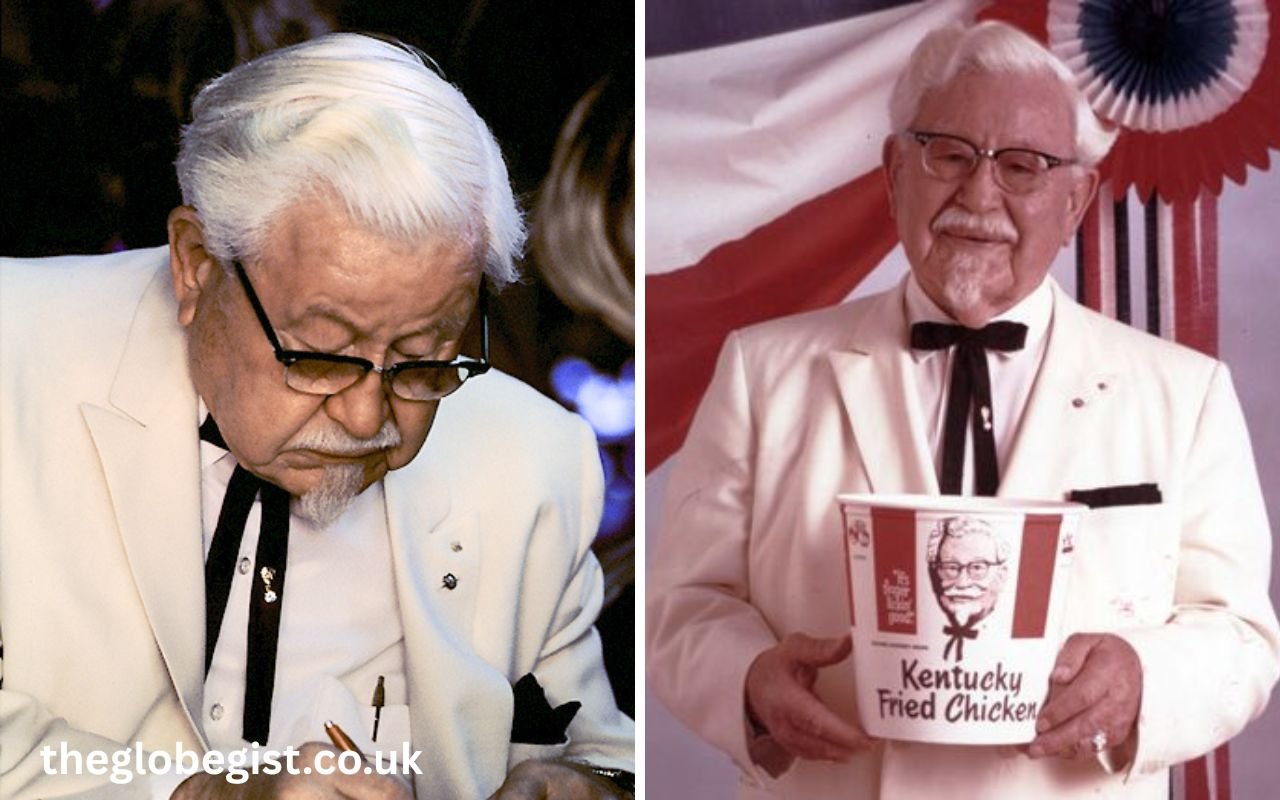
Colonel Sanders Ethnicity: Exploring the Heritage, Ancestry, and Cultural Background of the KFC Founder
Colonel Sanders Ethnicity: Exploring the Heritage, Ancestry, and Cultural Background of the KFC Founder
Colonel Sanders is one of the most recognizable figures in business history. His smiling face, white suit, and signature goatee have become symbols of one of the world’s largest fast-food brands. While millions of people know him as the founder of Kentucky Fried Chicken, many remain curious about his personal background, especially his ethnicity and family heritage.
Interest in Colonel Sanders’ ethnicity has grown over the years as people seek to learn more about the individuals behind famous global brands. Understanding his ancestry provides valuable insight into his upbringing, cultural influences, and the environment that helped shape his personality and entrepreneurial journey.
Harland David Sanders built an extraordinary legacy through hard work, determination, and a passion for cooking. His life story goes far beyond fried chicken, offering a fascinating glimpse into American history, family traditions, and cultural identity.
Colonel Sanders’ Ethnicity and Ancestral Roots
Colonel Sanders was a White American whose ancestry primarily traced back to European origins. Historical and genealogical records indicate that his family descended largely from English and Irish settlers who had established roots in the United States generations before his birth. Like many American families of the nineteenth century, his heritage reflected a blend of several European ancestral backgrounds.
His surname, Sanders, is commonly associated with English heritage. Family records connected to his parents suggest ancestral ties to communities that migrated from the British Isles to North America during earlier periods of American settlement. These family connections became part of the broader story of immigration and expansion that shaped the United States.
Although discussions about ethnicity often focus on race alone, heritage involves much more than physical appearance. In Colonel Sanders’ case, his ancestry reflected the experiences of long-established American families whose cultural traditions were influenced by European roots while being shaped by life in the United States.
The Family Background of Harland Sanders
Harland David Sanders was born on September 9, 1890, near Henryville, Indiana. His parents, Wilbur David Sanders and Margaret Ann Dunlevy, came from hardworking families who valued responsibility, perseverance, and self-sufficiency. These values would become central to Sanders’ character throughout his life.
Growing up in a rural environment exposed Sanders to the realities of farm life and small-town America. Families during this period often relied on one another for support, and children were expected to contribute to household responsibilities from an early age. These experiences played a major role in shaping his work ethic.
The Sanders family was not wealthy, and financial challenges became even more difficult after the death of Harland’s father. This early hardship forced him to mature quickly and take on responsibilities that many children his age would never experience. The lessons learned during this period remained with him throughout his life and business career.
How His Heritage Influenced His Identity
Ethnic heritage often contributes to personal identity, but cultural experiences can be equally important. For Colonel Sanders, his identity was shaped not only by his European ancestry but also by the values and traditions of rural American life. His upbringing emphasized hard work, family commitment, and personal responsibility.
Many of the qualities that later defined Sanders as an entrepreneur can be traced back to these early influences. He developed resilience through adversity and learned the importance of persistence at a young age. These characteristics would eventually help him overcome numerous business failures before achieving success.
His heritage also connected him to generations of Americans who built their lives through determination and practical skills. Rather than relying on privilege or inherited wealth, Sanders created opportunities through effort, adaptability, and an unwavering belief in his abilities.
The Cultural Environment of Rural Indiana
The community where Sanders grew up reflected the agricultural traditions of the American Midwest. Life in rural Indiana during the late nineteenth century revolved around farming, local businesses, churches, and close-knit family networks. These cultural influences played a significant role in shaping his worldview.
Food occupied an important place within family life and community gatherings. Home-cooked meals were essential, and recipes were often passed down through generations. Sanders developed cooking skills early in life, learning techniques and traditions that would later contribute to his success in the restaurant industry.
The values of honesty, hospitality, and self-reliance were deeply rooted within these communities. As Sanders grew older, many of these principles became visible in the way he conducted business and interacted with customers. His later public image reflected many of the cultural ideals associated with traditional American life.
Why People Are Curious About Colonel Sanders Ethnicity
Modern audiences frequently search for information about the ethnic backgrounds of famous personalities. The interest often comes from a desire to understand how ancestry, culture, and family history influence success. Colonel Sanders is no exception to this trend.
His iconic appearance and worldwide recognition have made him a subject of ongoing curiosity. Many people encounter his image regularly through KFC branding but know very little about the real person behind the logo. Questions about ethnicity naturally arise as individuals explore his life story.
There is also growing public interest in genealogy and family history research. As more people investigate their own ancestral roots, they often become interested in the heritage of influential historical figures. This curiosity helps explain why searches related to Colonel Sanders’ ancestry continue to attract attention today.
The Connection Between Kentucky and Colonel Sanders
Although Sanders was born in Indiana, his strongest public association became Kentucky. It was in Kentucky that he refined his famous fried chicken recipe and established the business that eventually became Kentucky Fried Chicken.
The state’s rich culinary traditions played an important role in shaping the brand’s identity. Southern cooking techniques, hospitality, and regional flavors became closely linked with Sanders’ public image. Over time, many people came to assume that he was a native Kentuckian because of this strong connection.
His honorary title of Kentucky Colonel further strengthened this association. The designation recognized his contributions to the state and helped create the iconic persona that later became known around the world. This cultural connection often overshadows discussions about his actual ancestry.
Common Misconceptions About His Background
Because Colonel Sanders became such a legendary figure, numerous myths developed around his life. Some people mistakenly believe he was a military colonel who achieved high rank through military service. In reality, his title came from an honorary recognition rather than a military promotion.
Others incorrectly assume that his Southern image reflects a distinct ethnic identity. While Sanders embraced Southern traditions and hospitality, these cultural characteristics should not be confused with ethnicity. His ancestry remained rooted primarily in European American heritage.
Another misconception is that his success came easily or arrived early in life. The truth is quite different. Sanders faced financial difficulties, career setbacks, and business failures before eventually finding success. His achievements resulted from persistence rather than circumstance.
Colonel Sanders and American Cultural Identity
Read More: Vera Wang Education: How Her Academic Background Shaped a Global Fashion Icon
Few entrepreneurs have become as closely connected with American culture as Colonel Sanders. His story reflects themes that are often celebrated in American history, including determination, innovation, and the pursuit of opportunity.
His public image represented more than a restaurant brand. It symbolized traditional values such as hard work, quality, and hospitality. These qualities resonated with customers both within the United States and internationally, helping transform KFC into a global phenomenon.
As the company expanded worldwide, Sanders became an unofficial ambassador of American food culture. His image continues to represent a blend of entrepreneurship, tradition, and culinary heritage that remains instantly recognizable across continents.
The Lasting Legacy of Harland Sanders
Today, Colonel Sanders is remembered not only as the founder of KFC but also as one of the most successful entrepreneurs in modern history. His journey from modest beginnings to international fame continues to inspire business owners and dreamers around the world.
While his ethnicity and ancestry remain subjects of public interest, they represent only one aspect of a much larger story. His legacy is ultimately defined by perseverance, creativity, and a willingness to keep moving forward despite setbacks.
Understanding Colonel Sanders’ heritage provides valuable historical context, but his true impact comes from the example he set through his actions. His life demonstrates that success is often built through determination, resilience, and a commitment to one’s vision. Decades after his passing, his influence remains visible in the global success of the brand he created and the enduring admiration for the man behind it.