



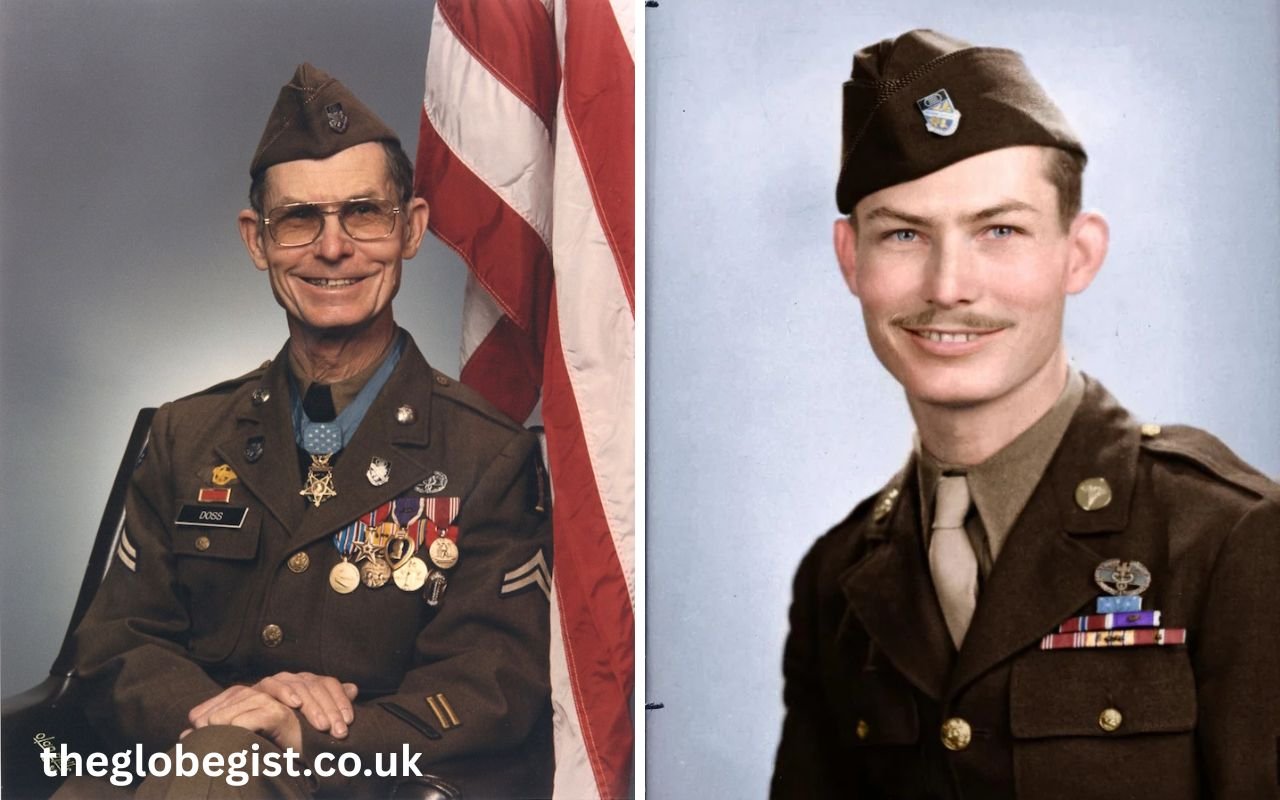
Desmond Doss Early Life: The Childhood, Faith, and Values That Shaped a War Hero
Desmond Doss Early Life: The Childhood, Faith, and Values That Shaped a War Hero
Desmond Doss is remembered as one of the most extraordinary figures in American military history. Known for saving countless lives during World War II without carrying a weapon, he became the first conscientious objector to receive the Medal of Honor. While his actions during the Battle of Okinawa earned worldwide recognition, the foundations of his courage and conviction were formed long before he entered military service. Understanding Desmond Doss’s early life provides valuable insight into the beliefs and experiences that shaped his character.
His childhood was marked by strong religious values, family influences, and personal experiences that deeply affected his view of the world. Growing up in Virginia during the early twentieth century exposed him to economic struggles, social challenges, and moral lessons that would stay with him throughout his life. These formative years helped create the man who would later become famous for his bravery and unwavering principles.
The story of Desmond Doss’s early life is not simply a biography of a future war hero. It is a story of faith, perseverance, compassion, and commitment to personal beliefs. Every major decision he made as an adult can be traced back to lessons learned during childhood, making his early years an essential part of understanding his remarkable legacy.
Childhood in Lynchburg, Virginia
Desmond Thomas Doss was born on February 7, 1919, in Lynchburg, Virginia. He grew up in a modest working-class household during a period when many American families faced financial difficulties. Lynchburg was a growing city, but opportunities were often limited for ordinary workers, requiring families to rely on hard work and determination to make ends meet.
As a child, Desmond lived in an environment where family values were considered extremely important. His parents worked hard to provide for their children despite economic challenges. The family home was not wealthy, but it was rich in lessons about responsibility, honesty, and respect. These values became deeply rooted in Desmond’s personality from an early age.
The community around him also influenced his outlook on life. Growing up in Virginia during the 1920s and 1930s allowed him to witness both the struggles and strengths of ordinary people. These experiences helped him develop empathy and a strong sense of concern for others, qualities that later defined his actions on the battlefield.
The Powerful Influence of His Family
Desmond was the son of William Thomas Doss and Bertha Edward Doss. His father worked as a carpenter, while his mother devoted much of her life to caring for the family. Although both parents influenced him, his mother played the most significant role in shaping his moral and spiritual development.
Bertha Doss was a deeply religious woman who believed strongly in Christian principles. She taught her children the importance of kindness, forgiveness, humility, and faith. Rather than simply talking about these values, she tried to live them every day. Her example left a lasting impression on young Desmond and became one of the strongest influences in his life.
Family life was not always easy. Financial pressures and personal struggles created challenges within the household. However, these difficulties taught Desmond resilience and patience. He learned that strength was not measured by power or aggression but by character, self-control, and the ability to remain faithful to one’s beliefs during difficult times.
Growing Up in the Seventh-day Adventist Faith
Religion played a central role in Desmond Doss’s early life. His family belonged to the Seventh-day Adventist Church, a Christian denomination that emphasizes faith, health, service, and obedience to biblical teachings. From an early age, Desmond attended church regularly and became deeply connected to its teachings.
One of the most important principles of the Seventh-day Adventist faith is respect for human life. Church teachings emphasize peace, compassion, and the importance of following God’s commandments. These beliefs shaped Desmond’s understanding of morality and influenced the decisions he would later make during military service.
Unlike many children who simply follow family traditions, Desmond embraced his faith personally. He studied biblical teachings carefully and tried to apply them in everyday life. His commitment to religious principles became stronger as he grew older, eventually forming the foundation for his decision not to carry a weapon during World War II.
The Impact of the Ten Commandments
A significant influence on Desmond’s moral development came from a framed illustration of the Ten Commandments displayed in his family home. The artwork included scenes from biblical stories, and one image in particular captured his attention. It depicted Cain killing his brother Abel, illustrating the commandment against murder.
The story had a profound effect on young Desmond. He often reflected on why people would choose violence and what consequences such actions could bring. The lesson stayed with him throughout childhood and strengthened his belief that human life was sacred and should be protected whenever possible.
As he matured, the commandment “Thou shalt not kill” became one of the most important principles guiding his life. This conviction was not based on fear or weakness but on a deeply held belief that every human being possessed value and dignity. The influence of this teaching would later become one of the defining aspects of his identity.
Early Experiences That Shaped His Views on Violence
One of the most important events during Desmond’s childhood involved a family conflict that left a lasting impression on him. During a heated argument involving relatives, a firearm became part of the confrontation. Although the situation was eventually resolved, the experience deeply affected him.
Witnessing the possibility of violence within his own family made him think seriously about the consequences of anger and aggression. He saw firsthand how quickly disagreements could become dangerous when weapons were involved. This experience reinforced the lessons he had learned through his faith and family upbringing.
As a result, Desmond developed a strong dislike for violence as a means of solving problems. He believed that conflicts should be resolved through understanding, patience, and self-control. These beliefs remained unchanged throughout his life and later became central to his role as a conscientious objector during wartime.
Education and School Life
Desmond attended a Seventh-day Adventist school in Lynchburg where academic education was combined with religious instruction. The school environment emphasized both learning and character development, encouraging students to practice honesty, responsibility, and respect for others.
Although he was not known for seeking attention, Desmond earned a reputation as a dependable and sincere student. Teachers recognized his strong moral values and commitment to doing what he believed was right. These qualities often distinguished him from his peers and reflected the influence of his upbringing.
Financial circumstances eventually limited his educational opportunities. Like many young people during that era, he was unable to continue formal schooling for an extended period. However, the lessons he learned through family, church, and personal experiences proved far more influential than any classroom education.
Life During the Great Depression
The Great Depression affected nearly every American family, and the Doss family was no exception. Economic hardship created uncertainty and forced many households to make sacrifices. For young Desmond, these challenges became important lessons in perseverance and responsibility.
Because money was scarce, he entered the workforce at an early age. Working while still young helped him understand the value of dedication and hard work. He learned that success often required patience, persistence, and a willingness to contribute wherever possible.
Living through the Great Depression also increased his compassion for others. He witnessed the struggles faced by families throughout his community and developed a greater appreciation for helping people in need. This sense of empathy later became one of the defining characteristics of his service as a combat medic.
Developing a Strong Work Ethic
Before becoming a military hero, Desmond was known as a hardworking and dependable young man. He held various jobs that required discipline, commitment, and physical effort. These experiences helped him build the endurance and determination that would later serve him well during wartime.
His work responsibilities taught him the importance of reliability. Employers valued workers who could be trusted to complete tasks and meet expectations, and Desmond consistently demonstrated these qualities. He approached every job with seriousness and dedication regardless of how difficult the work might be.
The habits he developed during these years shaped his character in important ways. They taught him to remain focused under pressure, persevere through challenges, and place duty above personal comfort. These traits would later become essential during the intense conditions of military service.
Faith, Service, and Personal Convictions
Read More: Why Did Bob Dylan Wear Sunglasses?
As Desmond entered adulthood, his religious beliefs became even more central to his identity. He believed that faith should influence every aspect of life, including relationships, work, and service to others. Rather than keeping his beliefs private, he tried to live according to them every day.
His understanding of service was rooted in the idea of helping people regardless of personal cost. He believed that true courage involved protecting others and acting with compassion even in difficult circumstances. This perspective would later guide his actions during some of the most dangerous battles of World War II.
At the same time, his convictions regarding nonviolence became stronger. He remained committed to preserving life rather than taking it. These beliefs created challenges when military service became a possibility, but they also demonstrated the depth of his character and commitment to principle.
How Desmond Doss’s Early Life Shaped His Legacy
The remarkable achievements of Desmond Doss during World War II did not appear suddenly. They were the result of years of personal growth, religious devotion, family influence, and life experiences. Every lesson learned during childhood contributed to the courage and determination he later displayed as a combat medic.
His early life demonstrates how powerful values can become when consistently practiced over time. The faith taught by his mother, the hardships of the Great Depression, and the experiences that shaped his views on violence all worked together to form an extraordinary individual. These influences helped him remain true to his beliefs even when facing intense criticism and danger.
Today, Desmond Doss continues to inspire people around the world. His story reminds us that character is often formed long before moments of greatness arrive. The childhood experiences, moral lessons, and personal convictions that defined his early life ultimately helped create one of the most respected heroes in American history.