

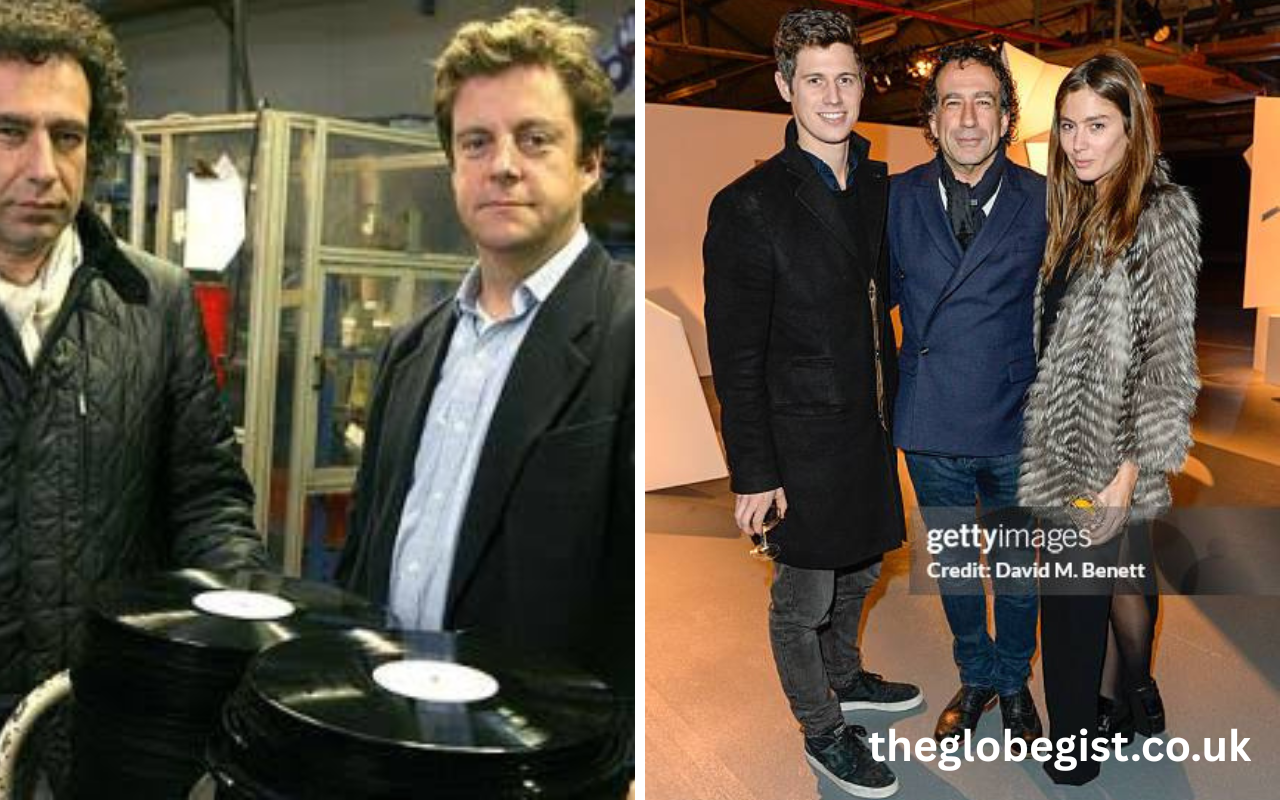
Mark Wadhwa: Biography, Career, Net Worth, and Cultural Impact Explained
Mark Wadhwa is a British entrepreneur and property developer widely recognized for his influential role in transforming London’s real estate into culture-driven creative spaces. He is associated with several major cultural regeneration projects that combine architecture, art, music, and immersive experiences. Over the years, he has become known not just as a businessman, but as a pioneer of “creative real estate,” shaping how modern urban spaces are designed and used.
Search interest in “Mark Wadhwa” has grown due to his involvement in iconic London developments such as The Vinyl Factory and 180 The Strand, as well as his connections to the fashion and creative industries.
Quick Bio Table
| Detail | Information |
|---|---|
| Full Name | Mark Wadhwa |
| Year of Birth | 1961 |
| Nationality | British |
| Profession | Entrepreneur, Property Developer |
| Known For | 180 The Strand, The Vinyl Factory, cultural regeneration projects |
| Industry | Real Estate, Art, Music, Creative Development |
| Partner | Alex Eagle |
| Residence | London, United Kingdom |
| Children | Reportedly 2 |
| Focus Area | Culture-led urban regeneration |
Who Is Mark Wadhwa?
Mark Wadhwa is a UK-based property developer and cultural entrepreneur known for reshaping how urban spaces are used in modern cities. Instead of focusing only on commercial property development, he has built a reputation for integrating art exhibitions, music events, fashion showcases, and creative studios into real estate projects.
His approach is often described as “culture-led development,” where buildings are not just commercial assets but living cultural environments.
Early Life and Background
Mark Wadhwa was born in February 1961 in the United Kingdom. He is of British-Indian heritage and grew up with a strong appreciation for both business and culture.
While he maintains a relatively private personal life, his background reflects a blend of entrepreneurial thinking and cultural awareness that later influenced his unique approach to property development.
Career Beginnings in Property and Business
Mark Wadhwa began his professional journey in property and business development during the late 1990s and early 2000s. At a time when most developers focused on traditional commercial real estate, he explored a different direction.
Instead of building standard office blocks or residential units, he focused on revitalizing underused or historic buildings and transforming them into creative spaces.
This approach eventually became the foundation of his reputation in the UK property industry.
The Vinyl Factory and Creative Innovation
One of Mark Wadhwa’s most notable ventures is The Vinyl Factory, a project that helped revive interest in vinyl culture and analog music experiences.
The Vinyl Factory became more than just a business—it turned into a creative platform for music, art, and cultural collaboration. It hosted exhibitions, performances, and artistic installations that attracted global attention.
This project marked the beginning of Wadhwa’s deeper involvement in cultural entrepreneurship.
180 The Strand and Cultural Transformation
Perhaps the most significant project associated with Mark Wadhwa is 180 The Strand in London.
This large-scale redevelopment transformed a previously underutilized building into a dynamic creative hub. It now hosts:
Art exhibitions
Fashion events
Immersive installations
Film screenings
Music performances
The space has become internationally recognized as a model for creative urban regeneration, attracting artists, designers, and global brands.
180 Studios and Creative Ecosystems
Building on the success of 180 The Strand, Wadhwa contributed to the development of 180 Studios, an immersive creative environment within the same complex.
These studios are designed to support innovation in art, media, fashion, and digital experiences. They provide a platform for experimental and collaborative projects that push creative boundaries.
This model has influenced similar developments in other global cities.
Business Philosophy
Mark Wadhwa’s approach to business is based on a key philosophy: cities should not only be functional but also culturally alive.
His work focuses on:
Reviving unused urban spaces
Blending art with architecture
Supporting creative communities
Encouraging cultural collaboration
Creating immersive public experiences
This philosophy has made him a leading figure in the “culture-first” development movement.
Personal Life
Mark Wadhwa is known to be in a long-term relationship with fashion entrepreneur Alex Eagle. The couple lives in London and shares a creative lifestyle closely connected to art, fashion, and design.
They are also parents and maintain a relatively private family life despite their involvement in public creative industries.
Net Worth and Business Influence
While exact figures are not publicly confirmed, Mark Wadhwa is widely regarded as a successful property developer with significant influence in London’s luxury real estate and cultural sectors.
His wealth is primarily derived from:
Property development projects
Cultural venue management
Creative partnerships
Urban regeneration investments
His financial success is closely tied to high-value central London developments and long-term cultural assets.
Cultural Impact and Legacy
Mark Wadhwa’s impact goes beyond real estate. He has helped redefine how cities use space by combining creativity with property development.
His key contributions include:
Transforming 180 The Strand into a global cultural hub
Supporting experimental art and immersive exhibitions
Bridging the gap between commerce and culture
Influencing modern urban regeneration models
His work has inspired developers worldwide to rethink how real estate can support artistic and cultural ecosystems.
READ MORE: Jennie Bond 1980s: Early Career, Rise to BBC Fame, and Royal Reporting Journey
Conclusion
Mark Wadhwa is a British entrepreneur whose career has reshaped modern urban development by blending real estate with art, music, and culture. From The Vinyl Factory to 180 The Strand, his projects have become global examples of how creative spaces can redefine cities. His influence continues to grow as culture-led development becomes more important in modern urban planning.
At theglobegist, we aim to provide clear, accurate, and well-structured biographies that help readers understand influential figures shaping business, culture, and creative industries.