



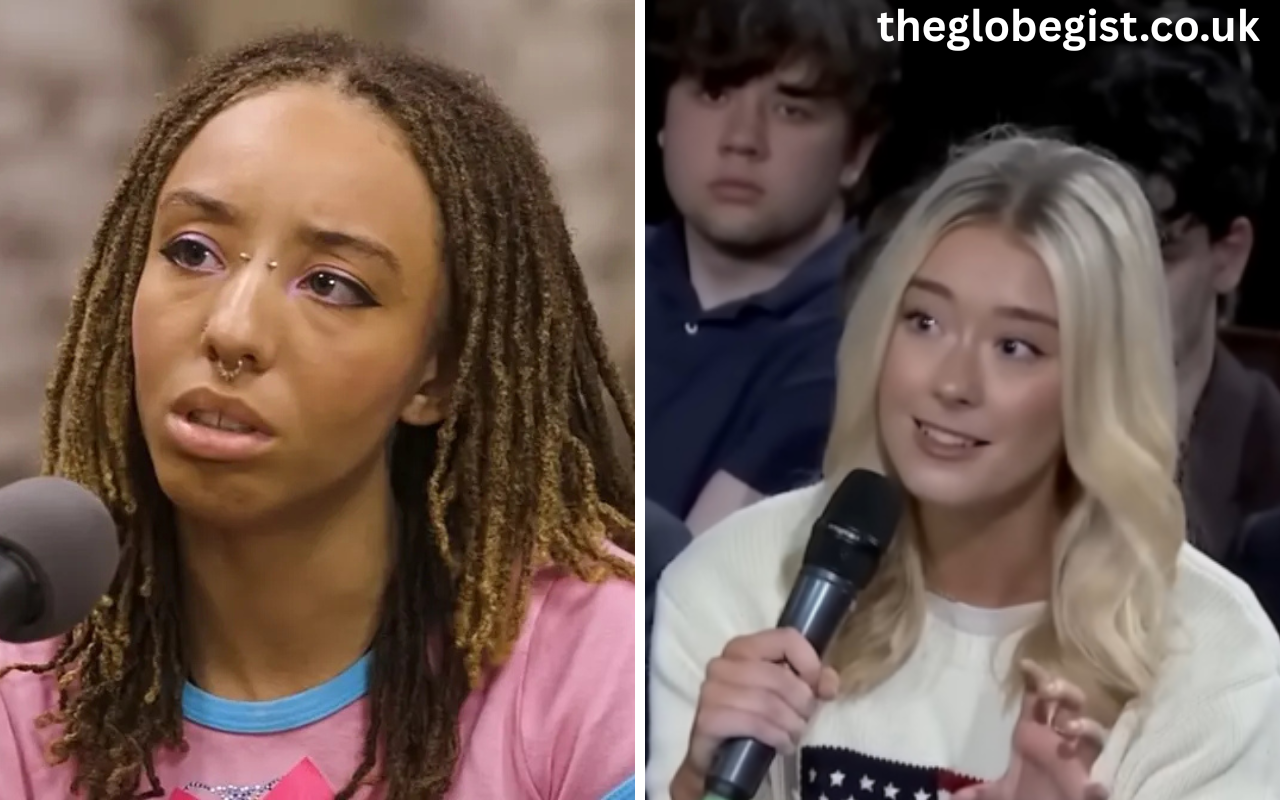
naima troutt on charlie kirk death Rumors: What Actually Happened and How the Story Spread Online
The claim surrounding naima troutt on charlie kirk deathh has circulated widely across social media platforms, often appearing in fragmented posts that lack credible sources or verification. Despite the volume of discussion, there is no confirmed or official report stating that Charlie Kirk has died, making the rumor misleading and inaccurate.
Much of the confusion comes from how quickly online content spreads without context. Edited clips, outdated discussions, and misleading captions often get repackaged into viral posts, which can create a false impression of reality for casual readers.
As engagement increases, so does the visibility of these claims. This is why names connected to past debates or controversies, such as Naima Troutt, sometimes appear alongside unrelated trending topics, even when there is no factual connection.
Who Is Naima Troutt in the Context of Viral Online Discussions
Naima Troutt is a social media personality known for participating in public debates and discussions on political and social issues. She gained attention after appearing in online exchanges that involved well-known conservative commentator Charlie Kirk, where clips of their interactions were widely shared.
Her visibility increased primarily due to viral circulation rather than traditional media coverage. These debate moments were often clipped and reposted, which gave them a second life in different contexts beyond their original setting.
When the Charlie Kirk death rumor began trending, her name resurfaced due to algorithm-driven content recommendations. This does not indicate involvement in any event but rather reflects how online platforms connect previously related names during trending topics.
How the Charlie Kirk Death Misinformation Started Spreading
The spread of misinformation about Charlie Kirk’s death appears to have originated from misleading social media posts and misinterpretations of unrelated content. In many cases, users encounter edited videos or satirical posts that are taken out of context and shared as real news.
Once these posts begin circulating, engagement increases rapidly. Likes, shares, and comments amplify visibility, often making unverified claims appear more credible than they are. This cycle is one of the main reasons misinformation spreads so quickly online.
As the content travels across platforms, original context is lost. What starts as speculation or misunderstanding can evolve into a widely believed rumor if not corrected early.
Naima Troutt’s Name and Its Connection to Viral Content Cycles
Naima Troutt’s name reappeared during the viral spread of the Charlie Kirk death rumor due to older debate videos resurfacing online. These clips were originally unrelated to any death-related discussion but were reinterpreted in the context of current trending topics.
This is a common pattern in digital media where older content gets re-shared and assigned new meanings. Users often assume connections that do not exist simply because the content appears alongside current events.
In reality, Troutt’s involvement is limited to public commentary and debate appearances. There is no verified evidence linking her to any real-world events involving Charlie Kirk beyond past discussions.
Fact-Checking the Claims About Charlie Kirk’s Death
Despite widespread online discussion, there is no credible evidence confirming the death of Charlie Kirk. No official announcements, verified news reports, or institutional statements support this claim, making it unreliable and false.
Fact-checking efforts consistently show that such rumors are based on misinformation rather than factual reporting. Reputable sources emphasize the importance of verifying claims before accepting them as truth.
The lack of confirmation from trusted media outlets strongly indicates that the rumor is not based on reality. It is essential to rely on verified sources when evaluating sensitive claims about public figures.
The Role of Social Media in Amplifying False Narratives
Social media platforms play a significant role in how misinformation spreads and gains traction. Algorithms are designed to prioritize engaging content, which often means sensational or emotional posts reach more users.
When a topic involves a public figure like Charlie Kirk, engagement increases even further. Users may share or react to posts without verifying accuracy, unintentionally contributing to the spread of false information.
Naima Troutt’s name appearing in this context reflects how digital systems connect past interactions with current trends, often without considering relevance or accuracy.
Public Reaction and the Spread of Misinterpretations
Public reaction to the Charlie Kirk death rumor has been mixed, with some users believing the claim and others quickly questioning its authenticity. This division highlights how easily misinformation can create confusion online.
Many discussions include emotional responses and recycled content from past debates, which can distort the original meaning. As a result, individuals like Naima Troutt become part of discussions they are not actually connected to.
This environment makes it difficult for users to separate fact from speculation, especially when content is shared rapidly without verification.
Why Naima Troutt’s Name Keeps Appearing in Search Trends
Search trends often reflect user curiosity and algorithm behavior rather than verified events. When many users search for related keywords, search engines continue to surface those terms, reinforcing visibility.
Naima Troutt’s recurring appearance in search results is a result of this cycle. Once her name became associated with Charlie Kirk through past debates, it continued to reappear whenever related discussions trended.
This does not indicate new involvement or developments. Instead, it highlights how digital systems prioritize repetition and engagement over factual context.
Separating Verified Information From Online Speculation
The most important aspect of this discussion is separating verified facts from online speculation. There is no confirmed death of Charlie Kirk, and therefore any narrative based on that claim is inaccurate.
Naima Troutt’s connection remains limited to past public debates and online commentary, which has been misinterpreted in some viral posts. These misinterpretations are common in fast-moving digital environments.
Understanding the difference between real reporting and viral speculation helps reduce misinformation and improves media literacy among users.
Read More: Exploring the Life of Shivani Shyamalan: The Rising Star Behind Hollywood’s Legacy
Conclusion: What the Naima Troutt and Charlie Kirk Story Really Shows
The viral association between Naima Troutt and Charlie Kirk death rumors demonstrates how quickly misinformation can spread online. A combination of recycled content, algorithmic amplification, and lack of verification contributes to confusion.
In reality, there is no confirmed death of Charlie Kirk, and Naima Troutt’s involvement is limited to earlier public discussions that were taken out of context. The connection is digital rather than factual.
This situation highlights the importance of checking reliable sources before believing or sharing sensitive claims. In today’s online environment, accuracy and verification are essential to separating truth from speculation.