



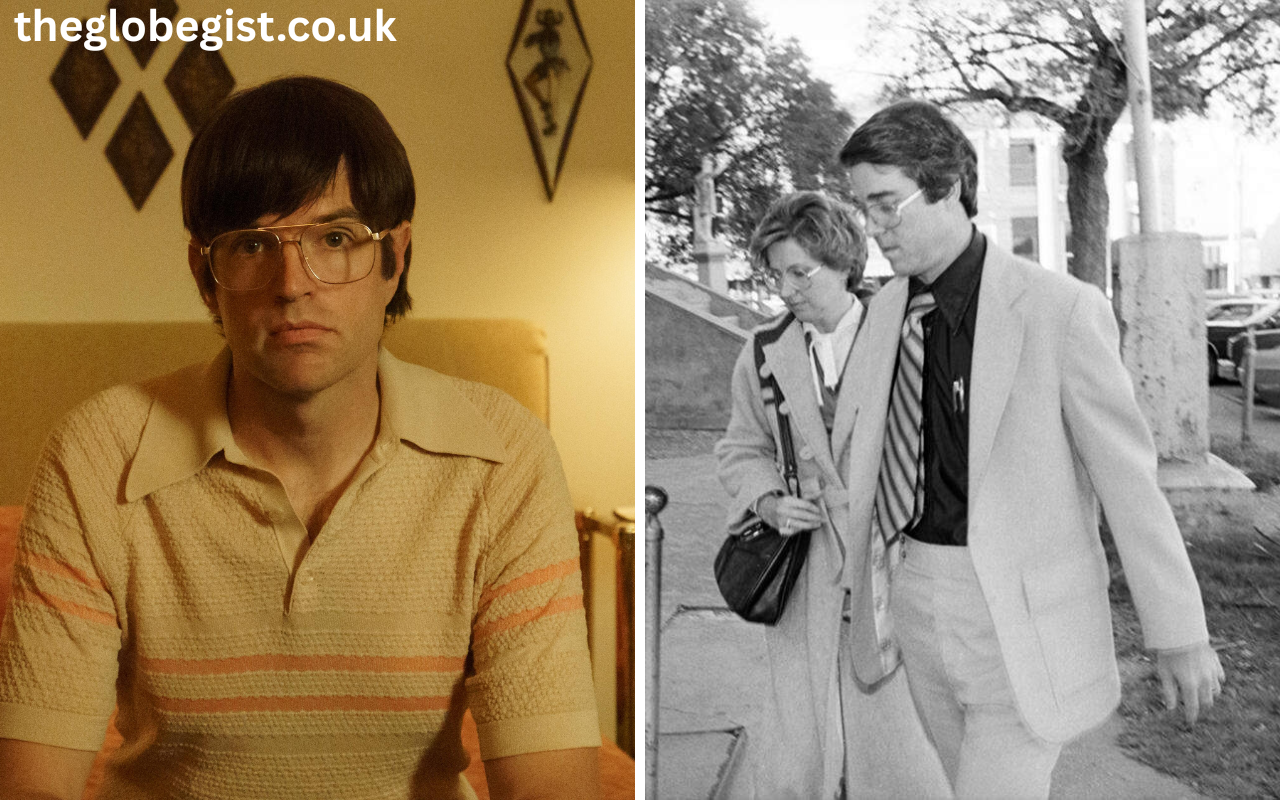
Pat Montgomery Biography, Life Story, and His Connection to the Candy Montgomery Case
Pat Montgomery is primarily known as the former husband of Candy Montgomery, a central figure in the widely discussed 1980 Wylie, Texas murder case involving Betty Gore. His name appears in many true crime discussions, documentaries, and dramatized series due to his indirect connection to the case rather than any personal public career or fame. Over time, he has become a secondary but consistently referenced figure in the broader narrative surrounding the incident.
Despite this association, Pat Montgomery himself has remained a largely private individual. He is not known for any public-facing profession in media or entertainment, and most of what is discussed about him comes from historical reconstructions of events rather than personal interviews or verified public statements. His identity in public discourse is therefore closely tied to a single chapter of his life.
The continued curiosity around Pat Montgomery reflects the lasting cultural impact of the Candy Montgomery case. Even decades later, his name surfaces whenever the story is revisited through books, documentaries, or streaming adaptations, making him a recurring figure in true crime storytelling.
Early Life and Background
Information about Pat Montgomery’s early life is limited, as he did not pursue public recognition or a career that placed him in the media spotlight. He is generally understood to have grown up in the United States during a period of rapid social and technological change, though detailed accounts of his childhood and family background are not widely documented in verified sources.
What is known suggests that he followed a relatively conventional educational path before entering the workforce. Like many individuals of his generation, his life trajectory appears to have been shaped by professional opportunities in engineering and the expanding technology sector of the time.
Because of the lack of publicly available biographical detail, much of his early life remains outside the scope of confirmed historical record. This absence of information has contributed to public curiosity, especially as interest in his later life became tied to a high-profile criminal case.
Professional Career as an Engineer
Pat Montgomery is widely reported to have worked as an electrical engineer, with associations to Texas Instruments during the late 1970s and early 1980s. This position placed him within a growing technological workforce in Texas, particularly in the Dallas area, which was becoming a hub for electronics and semiconductor development.
His professional life appears to have been stable and structured, reflecting the typical career path of engineers during that period. There is no public record suggesting he was involved in any high-profile projects or corporate controversies, and his career is generally described as private and technical in nature.
The engineering profession likely provided financial stability for his family during his marriage to Candy Montgomery. However, after the events that brought his family into public attention, his professional identity became overshadowed by his personal connection to the widely reported case.
Marriage to Candy Montgomery
Pat Montgomery’s marriage to Candy Montgomery is one of the most discussed aspects of his life, largely because of the later criminal case involving Candy and Betty Gore. The couple was married during a period when they were building a family and establishing themselves in suburban Texas society.
Their relationship has been described in retrospective accounts as outwardly stable, though later narratives suggest underlying personal challenges. These challenges became more widely examined only after the events that led to the legal case, which brought intense media scrutiny to their private lives.
While Pat Montgomery himself was not involved in the events of the case, his role as Candy Montgomery’s husband placed him directly in the center of public interest. This connection has remained the primary reason his name continues to be referenced in true crime discussions.
Family Life in Texas Suburbs
Pat Montgomery and Candy Montgomery lived a suburban lifestyle in Texas, raising their children within a community environment that was heavily influenced by church and neighborhood social structures. Their family life was typical of many American households in the late 1970s, centered around work, school, and community involvement.
The couple’s social circle included other families connected through church activities, which played a significant role in shaping their daily interactions. This environment later became a focal point in discussions about how the events surrounding the case unfolded.
Despite the later tragedy associated with the family, early accounts of their life suggest a sense of normalcy. Pat Montgomery is often described as a private family man who maintained a structured home life before public attention disrupted that privacy.
Connection to the Betty Gore Case
Pat Montgomery’s most widely known association comes from the 1980 murder of Betty Gore in Wylie, Texas, a case that drew national attention. Candy Montgomery, his wife at the time, was accused of killing Betty Gore, a friend and fellow church member, during a confrontation.
Although Pat Montgomery was not present during the incident and was not accused of any involvement, his connection to Candy placed him in the center of public and legal scrutiny. The case itself became one of the most discussed true crime events of its time due to its unexpected circumstances and suburban setting.
The emotional and social impact of the case extended beyond the courtroom, affecting everyone connected to the individuals involved. Pat Montgomery’s life was inevitably shaped by this event, even though his role remained that of a spouse rather than a participant.
Trial and Public Attention
During the legal proceedings that followed the incident, Candy Montgomery stood trial for the death of Betty Gore. The case drew widespread media coverage, with intense public interest in both the facts of the case and the personal lives of those involved.
Pat Montgomery reportedly supported his wife during this period, remaining present throughout parts of the legal process. His position became part of the broader narrative, as observers attempted to understand the dynamics of the family during such a highly publicized trial.
The trial ultimately ended with Candy Montgomery being acquitted on the grounds of self-defense, a verdict that continues to be debated in true crime analysis. Following the conclusion of the case, attention on Pat Montgomery gradually diminished, although his name remained linked to the story.
Life After the Case and Privacy
After the trial and the end of his marriage, Pat Montgomery is believed to have withdrawn from public attention entirely. Reports suggest that he relocated and chose to live a private life away from media scrutiny and public discussion.
Unlike many individuals associated with high-profile cases, he did not pursue interviews, public commentary, or media appearances. This decision contributed to a lack of updated information about his later years and current life circumstances.
His long-term privacy has become a defining characteristic of his public identity. While many aspects of the case have been widely documented and dramatized, Pat Montgomery himself has remained largely absent from public record in recent decades.
Media Portrayals and Cultural Impact
The story of Candy Montgomery and the Wylie, Texas case has been adapted into multiple television series and documentaries, which have renewed interest in Pat Montgomery. Productions such as Love & Death and Candy introduced his character to new audiences who may not have been familiar with the original events.
In these portrayals, Pat Montgomery is typically shown as a quiet and reserved figure navigating a difficult personal situation. These dramatizations are interpretations based on historical accounts rather than direct biographical evidence, and they often emphasize emotional narrative over factual detail.
The cultural impact of these portrayals has ensured that Pat Montgomery’s name continues to appear in discussions about true crime storytelling, even decades after the original events took place.
Read More: Leopold Stanislaus Stokowski Biography, Life Story, and Family Legacy Explained
Legacy and Public Curiosity
Pat Montgomery’s legacy is closely tied to a single moment in American true crime history, rather than to personal achievements or public accomplishments. His name remains part of the historical record primarily because of his connection to a widely studied and dramatized case.
Public curiosity about him persists due to the limited information available about his life after the trial. This absence of detail often leads to renewed interest whenever the case is revisited in media or entertainment formats.
Ultimately, Pat Montgomery represents the quieter side of high-profile criminal cases, where individuals connected indirectly to events become part of the public narrative without seeking attention or recognition.