



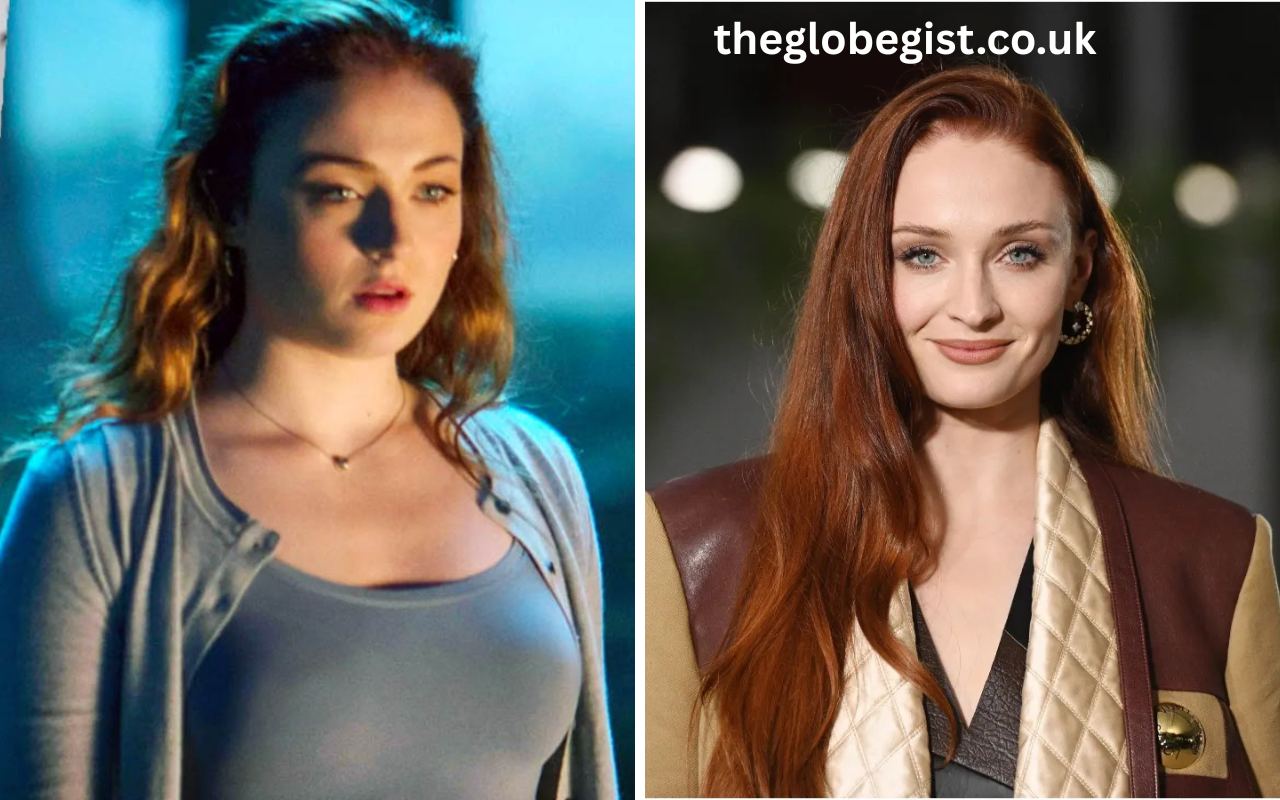
Sophie Turner Lara Croft: A New Era for Tomb Raider and the Future of the Iconic Adventurer
sophie turner lara croft stepping into the role of Lara Croft marks a major moment in modern entertainment storytelling. Known globally for her powerful performance in Game of Thrones, Turner brings a strong emotional presence that aligns with the evolving interpretation of the Tomb Raider universe. Her casting signals a shift toward more character-driven storytelling in video game adaptations.
The announcement quickly became a trending topic across entertainment media, with audiences discussing how Turner’s acting background could reshape Lara Croft’s identity. Instead of focusing only on physical action, this new adaptation appears to emphasize emotional depth, survival instincts, and personal transformation.
This casting decision also reflects the growing trend of adapting popular gaming franchises into long-form streaming series. Lara Croft’s return to the screen through Sophie Turner highlights the character’s enduring global appeal and continued relevance in modern pop culture.
The Legacy of Lara Croft in Gaming and Cinema
Lara Croft first emerged as a groundbreaking video game character in the late 1990s, quickly becoming a symbol of adventure gaming. Her design, personality, and storytelling style set a new standard for female protagonists in action-adventure narratives. Over time, she evolved from a stylized explorer into a more realistic and emotionally complex character.
In cinema, Lara Croft was famously portrayed by Angelina Jolie in the early 2000s, bringing the character into mainstream Hollywood recognition. Later, Alicia Vikander reimagined Lara in a more grounded and survival-focused interpretation, reflecting modern storytelling trends. Each version contributed to reshaping how audiences perceive the character.
This evolution shows that Lara Croft is not a static figure but a constantly redefined icon. Each adaptation reflects the era in which it is created, and Sophie Turner’s version is expected to continue this transformation in a more serialized and emotionally layered format.
Sophie Turner’s Acting Journey and Suitability for Lara Croft
Sophie Turner’s rise to fame began with her portrayal of Sansa Stark, a character known for emotional growth, resilience, and political survival. This experience has often been cited as one of the reasons she was considered for the role of Lara Croft, as both characters require strength under pressure and deep emotional range.
Beyond Game of Thrones, Turner has expanded her career with diverse roles that demonstrate her ability to handle complex storytelling. Her screen presence often combines vulnerability with determination, which aligns closely with modern interpretations of Lara Croft as a survivor and strategist rather than just an action hero.
Her casting reflects a broader industry trend where actors are selected not only for physical resemblance but for their ability to embody layered emotional narratives. This approach suggests that Sophie Turner’s Lara Croft will likely focus more on character evolution than traditional action spectacle alone.
Amazon’s Tomb Raider Series and Production Vision
The upcoming Tomb Raider series is being developed by Amazon MGM Studios, signaling a high-budget commitment to expanding the franchise into television storytelling. This platform allows for deeper narrative exploration compared to traditional films, offering more space for character development and world-building.
Phoebe Waller-Bridge’s involvement as creator and writer adds another layer of creative expectation. Known for her sharp storytelling and emotionally rich characters, her influence suggests that the series will blend action with psychological depth and humor in unexpected ways.
Production planning reflects a long-term vision for the franchise. Instead of a standalone adaptation, the series is designed to potentially grow into a larger narrative universe, giving Lara Croft a sustained presence in streaming entertainment.
Reimagining Lara Croft for a Modern Audience
Modern interpretations of Lara Croft have moved away from exaggerated action hero tropes toward more realistic portrayals of survival, intelligence, and emotional endurance. Sophie Turner’s version is expected to continue this direction by emphasizing human vulnerability alongside physical capability.
This updated portrayal reflects changes in audience expectations. Viewers today prefer characters who feel grounded and relatable, even in extraordinary circumstances. Lara Croft’s struggles, motivations, and emotional responses are likely to play a larger role in this adaptation.
The shift also highlights how video game adaptations are becoming more narrative-focused. Instead of relying solely on action sequences, the story is expected to explore Lara’s psychological journey and the personal cost of her adventures.
Physical Preparation and Character Transformation
Preparing for a role like Lara Croft requires intense physical training, and Sophie Turner has reportedly undergone extensive preparation to meet these demands. The role involves action sequences, stunt work, and endurance-based performance that reflect the character’s adventurous lifestyle.
This transformation goes beyond physical appearance. It also involves building the stamina and movement style required for climbing, exploration, and combat scenes. These elements are essential to maintaining authenticity in a modern Tomb Raider adaptation.
Such preparation helps bridge the gap between video game fantasy and live-action realism. It ensures that Lara Croft’s physical abilities feel believable while still preserving the character’s iconic adventurous identity.
Creative Leadership and Storytelling Direction
The creative direction of the series is one of its most important elements. With Phoebe Waller-Bridge involved, the storytelling is expected to focus on character depth, emotional complexity, and layered narrative arcs. This approach distinguishes the series from earlier adaptations.
The production team is aiming to balance action with storytelling depth. Instead of relying solely on spectacle, the series is expected to explore Lara Croft’s motivations, fears, and personal evolution throughout her journey.
This creative combination suggests a more mature and cinematic interpretation of the Tomb Raider universe, positioning the series as both an action adventure and a character study.
Public Reaction and Global Interest in the Casting
The announcement of Sophie Turner as Lara Croft generated immediate global discussion across entertainment platforms. Fans expressed curiosity, excitement, and debate over how the character would be reimagined in this new adaptation.
Some audiences initially questioned the casting choice, while others welcomed the idea of a fresh interpretation. Over time, anticipation has grown as more production details and visual updates have been released.
This level of engagement demonstrates the enduring popularity of Lara Croft as a cultural icon. Regardless of interpretation, the character continues to attract global attention across generations.
Read More: Maisie Williams Age, Life, Career, and Journey from Child Star to Global Actress
The Future of Tomb Raider and Sophie Turner’s Impact
The future of the Tomb Raider franchise appears to be expanding into a broader entertainment universe. With streaming platforms investing heavily in game adaptations, Lara Croft remains one of the strongest candidates for long-term storytelling.
Sophie Turner’s portrayal could define a new era for the character. If successful, it may influence future adaptations, spin-offs, and even new game developments that reflect this modern interpretation of Lara Croft.
Ultimately, this version of Tomb Raider represents more than just a reboot. It is a reinvention of a legendary character for a new generation of audiences who expect depth, realism, and emotional storytelling alongside action and adventure.